

In 2024, the rise of AI slop videos has become one of the most talked-about shifts in online entertainment. Flooding TikTok and other major social media platforms, these AI-generated clips represent a new generative AI trend where quantity often outweighs quality. Some call it innovation, others dismiss it as AI garbage—but either way, this movement is reshaping the creator economy, sparking debate on Reddit, YouTube, and beyond.
This article examines how AI-generated content—ranging from synthetic video to AI-generated images—is being used to mass-produce low-quality AI-generated content that spreads like wildfire. We’ll explore how AI tools and platforms enable creators to use AI cheaply and at scale, the impact on influencers, and whether the proliferation of AI across social media platforms will ultimately help or harm digital entertainment.
Key Takeaways
- AI slop videos are often low-effort, high-volume synthetic content generated using AI tools.
- Platforms like TikTok, YouTube, and Reddit are fueling this trend, making slop easy to spot in feeds.
- The influencer economy is shifting as creators and YouTubers compete with AI-generated slop.
- Synthetic content—from deepfakes to AI-generated images—raises concerns about misinformation, advertiser trust, and content quality.
- The debate highlights tensions between original content and the proliferation of AI-powered spam across social media platforms.
What Are AI Slop Videos?
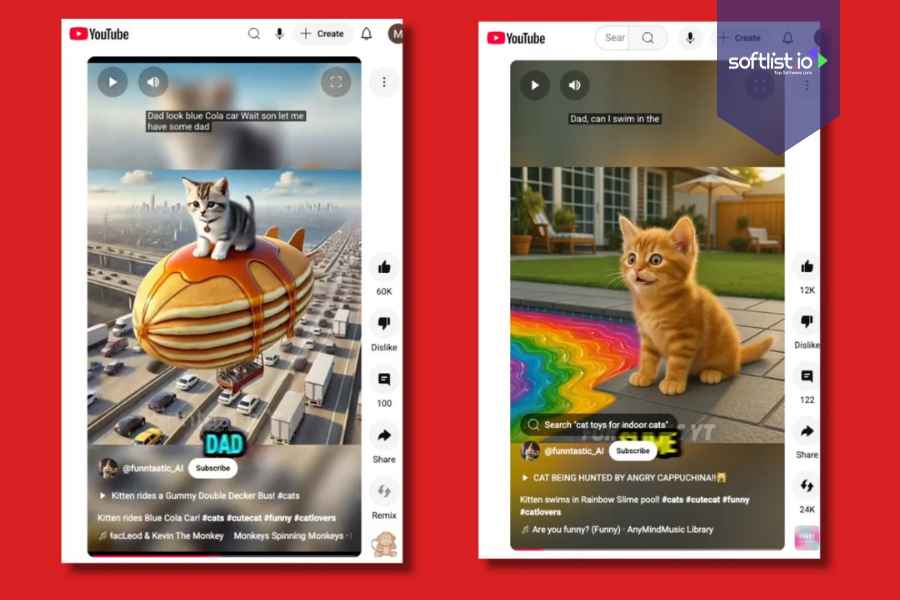
Source: npr.org
The term AI slop refers to low-quality AI-generated content created in bulk using AI tools. Think of it as fast food for the internet: mass-produced, inauthentic, and cheaply generated.
Common traits of AI slop videos include:
- Synthetic voices (AI voice) narrating random transcripts or scripts written by AI (often ChatGPT).
- AI-generated images stitched into slideshows.
- AI-generated video where bots generate a video in minutes.
- True crime transcripts, YouTube video summaries, or recycled Reddit stories read aloud by synthetic narrators.
- AI-slop clips that churn endlessly across feeds with slight variations.
The result? A flood of AI slop videos across TikTok and YouTube, leaving audiences questioning what’s real, what’s creative, and what’s just synthetic.
Why Are AI Slop Videos Going Viral on TikTok?
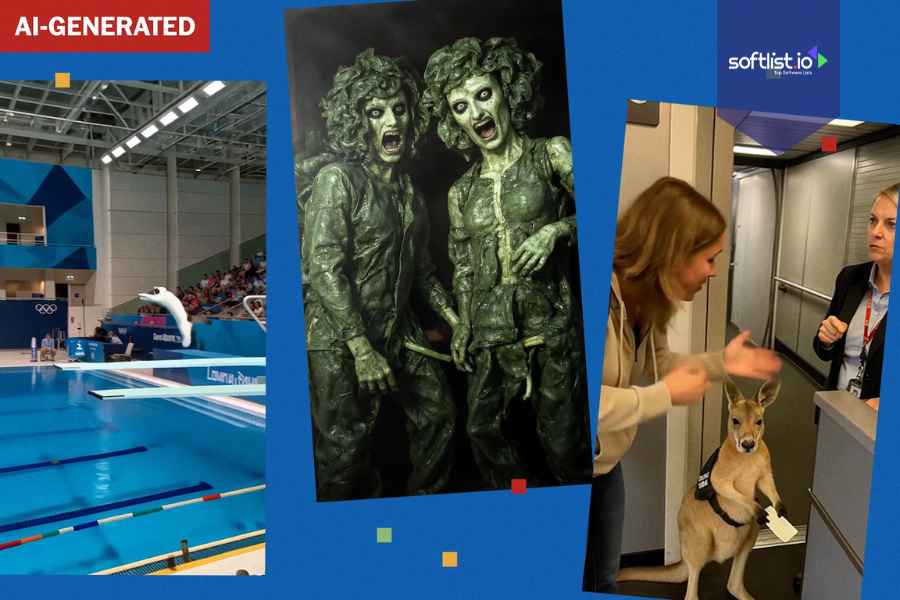
Source: washingtonpost
TikTok is the platform where AI slop videos thrive. By design, the app rewards viral clips, even if they’re low-effort or inauthentic.
Key Reasons For Virality:
- High-volume churn – Creators can mass-produce AI content daily.
- Generative AI weirdness – AI models like ChatGPT or MidJourney create bizarre, funny, or unsettling results that catch attention.
- Algorithmic boost – TikTok promotes what gets engagement, whether it’s original content or AI slop videos.
- Cheaply made – With AI-powered video generators, it costs next to nothing to create images, upload vids, or generate a video.
- Synthetic novelty – Audiences click because it feels new, even if it’s just AI-generated content repeating the same joke.
This generative trend shows how AI slop videos are reshaping entertainment in 2023–2025, with mass-produced clips getting millions of views despite their lack of substance.
Platforms Fueling the Rise of AI Slop Videos

Source: Canva Pro
The rise of AI slop videos isn’t just about TikTok—it’s an entire ecosystem of AI tools that make synthetic content easy to create, enhance, and spread.
Picsart
Many creators use AI editing apps like Picsart to polish AI-generated images or synthetic content, making otherwise low-quality AI-generated videos look engaging.
The only AI-powered creative companion you’ll ever need to grow your brand. Get it all done with Picsart’s ultimate creative suite.


Animoto
A drag-and-drop AI-powered platform where creators can generate a video from stock assets. This cheaply mass-produces slop content, perfect for uploading spam.
Create videos that engage and impress. Animoto's drag-and-drop editing tools and visual effects make it easy. No training or experience necessary.
HeyGen
With AI-generated avatars and synthetic voices, HeyGen makes it easy for creators to churn out AI-generated slop clips. Some even monetize by scaling ad-friendly videos.
Write your script (or get some help with built-in ChatGPT), and watch an avatar read it flawlessly in one take. Need to change something? No reshoots necessary, just edit the text.

DeepBrain
This tool helps creators mass-produce explainer-style clips, complete with AI voiceovers and synthetic content. Its automation drives the proliferation of AI-generated videos across platforms such as Facebook, YouTube, and TikTok.
TikTok
As the central hub, TikTok amplifies AI slop videos to major social media platforms. Its algorithm makes inauthentic, low-effort AI-generated videos go viral as fast as authentic clips.
Together, these AI tools illustrate how inauthentic spam becomes viral AI content in 2024.
The Impact on Online Entertainment
Source: Canva Pro
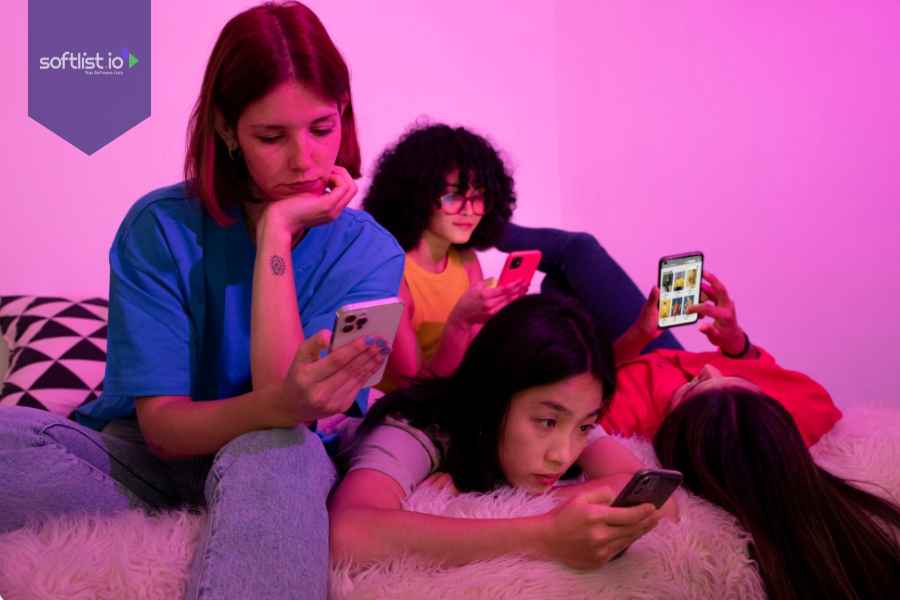
The mass production of AI slop videos is having ripple effects across the influencer economy and entertainment landscape:
- Original creators demonetized – Platforms sometimes demonetize AI-generated content if it’s flagged as inauthentic or spam.
- Advertiser concerns – Brands fear ads appearing alongside low-quality AI-generated content or misinformation.
- Audience fatigue – Viewers recognize AI-generated slop as easy to spot and may prefer original content over AI garbage.
- Shift in economy – Influencers who rely on AI tools to mass-produce vids risk losing trust but gain scale.
In short, the rise of AI slop videos challenges the balance between synthetic content and authentic creation.
AI Slop and the Influencer Economy

Source: Canva Pro
The creator economy is at a crossroads. YouTubers and TikTok influencers now compete not only with each other, but with bots using AI tools to flood platforms with AI-generated content.
- Proliferation of AI – By 2024, the production of AI-generated content exploded—an average of 34 million images were created daily, and the share of AI-written posts on platforms like Medium, Quora, and Reddit jumped substantially.
- Authenticity vs churn – Inauthentic AI-generated slop may drive million views, but risks alienating audiences.
- Disclosure rules – Platforms are pressuring creators to disclose synthetic content and label AI-generated video.
- Monetization battles – Some influencers monetize AI content, while others face demonetized penalties for AI-powered spam.
The influencer economy is shifting from creativity to AI-powered churn.
The Future of AI Slop: Passing Fad or Long-Term Era?

Source: Canva Pro
Is AI slop just a phase, or the future of online entertainment? Some argue it’s like the 2023 boom in AI images—novel at first, but fading as audiences crave original content. Others believe the proliferation of AI-generated content will dominate social media platforms through May 2025 and beyond.
If trends continue, AI-generated slop could rival human influencers, with synthetic content becoming normalized. The real test will be whether platforms like YouTube, TikTok, and Facebook curb the spread of low-quality AI-generated slop or embrace it as the new generative AI economy.
Conclusion
The rise of AI slop videos shows how quickly artificial intelligence can reshape entertainment. With AI models like ChatGPT, image generators like MidJourney, and platforms such as TikTok, YouTube, and Facebook, the proliferation of AI-generated content has created both opportunity and chaos.
Want to navigate the AI content landscape without getting lost in the noise? Softlist makes it easier. From the latest AI tools to ethical content strategies, we help creators, brands, and teams stand out with smart comparisons, practical guides, and expert insights. Whether you’re experimenting with generative AI or scaling your content strategy, Softlist gives you the edge to create with impact and authenticity.
FAQs
What is AI slop?
“AI slop” refers to low-effort, high-volume AI-generated content that clutters feeds on social media platforms like TikTok, YouTube, and Facebook. It’s often created by bots or creators using AI tools to churn out endless clips, typically made up of AI-generated images, synthetic voices, or text-to-speech scripts. Instead of original creativity, these videos rely on automation and repetition, making them cheap to produce and easy to mass-upload.
How to stop AI slop?
Stopping the spread of AI slop videos requires action from both platforms and users. Platforms could demonetize synthetic content that is repetitive or misleading, making it harder for creators to profit from low-quality AI slop. They can also restrict spam uploads and add clearer labels to mark AI-generated content. On the other hand, users can help by reporting spammy clips, avoiding engagement with them, and supporting creators who share authentic, original content. Together, these steps can reduce the reach of inauthentic AI content.
How to avoid AI slop?
For viewers, the best way to avoid AI slop is to be selective about who you follow and what you watch. Support creators who put real effort into their work rather than relying on synthetic or altered content. Pay attention to disclosure labels, as many platforms are starting to require AI-generated content to be flagged. Learning to recognize the signs of slop—such as repetitive scripts, mismatched AI images, or generic AI voices—can also help you filter it out of your feed.
How to create an AI slop?
Creating AI slop content is simple, which explains why it’s spreading so quickly. With tools like Animoto, DeepBrain, and HeyGen, anyone can generate a video in minutes. These tools allow users to combine AI-generated images, synthetic avatars, and AI voices into clips that look polished enough to post but require very little effort. Because it’s cheap and easy to produce at scale, many creators upload dozens of these videos daily, hoping to grab views and ad revenue with minimal work.
What is the AI slop era?
The AI slop era emerged in 2023 and continues shaping major social media platforms in 2025, as mass-produced AI-generated content floods feeds and sparks debate. During this period, feeds have been dominated by repetitive, synthetic videos—raising concerns about misinformation, creativity, and the value of original content. While some see this as an exciting new phase of generative AI, others argue it lowers the quality of online entertainment and encourages low-effort, high-volume production.
This debate continues as platforms, creators, and audiences adjust to a world where AI-generated slop is everywhere.