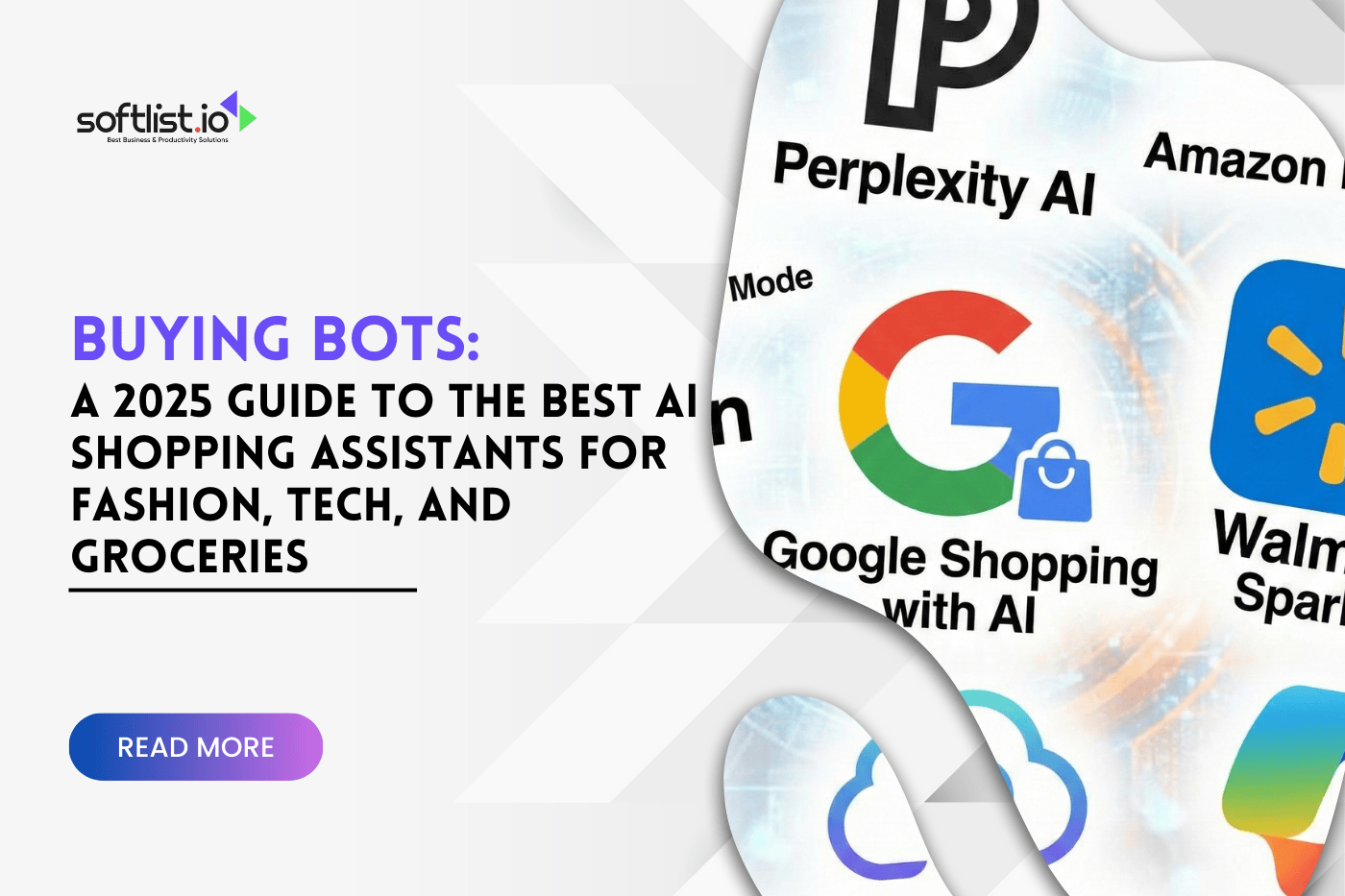
The AI shopping assistant market is experiencing explosive growth, projected to reach $84.6 billion by 2034 with a 33.6% CAGR. As of 2025, 39% of consumers already use generative AI for shopping, leveraging these “buying bots” to transform how they discover fashion, manage grocery inventories, and hunt for tech deals. These autonomous agents go beyond simple search—using predictive personalization and zero-party data to negotiate prices, manage carts, and even call stores for inventory checks.
Here are the 8 best AI shopping assistants of 2025 that are redefining conversational commerce.
Key Takeaways
- AI shopping assistants are a fast-growing market, projected to hit $84.6B by 2034.
- Different tools specialize by use case: tech deals, groceries, fashion, and financial management.
- These agents now handle the full journey—discovery, comparison, cart management, and price tracking.
- Vertical use cases like GPU drops, meal planning, and virtual try-ons show how deep personalization has become.
- Helper tools like VPNs, password managers, coupon platforms, and automation builders amplify what AI shopping assistants can do.
1. ChatGPT Shopping Research Mode
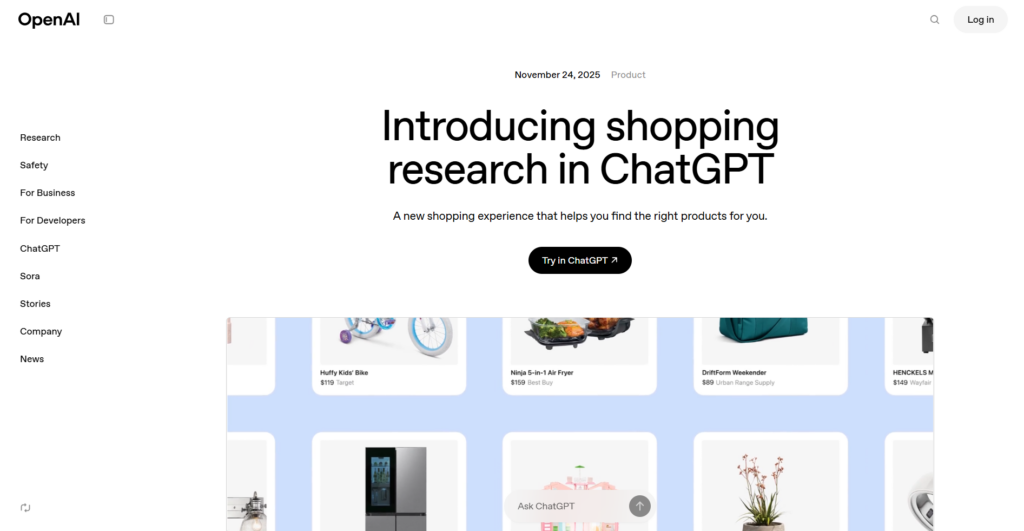
Image Source: openai.com
Best For: Deep product research and complex comparison queries.
ChatGPT’s Shopping Research Mode operates as a comprehensive personal buying advisor. It excels at processing multi-layered queries like “best noise-canceling headphones under $300 for travel,” delivering structured comparison tables that highlight pros, cons, and specific use cases.
- Key Features: Generates “buying advisor” matrices, compares specs across brands, and synthesizes user reviews into digestible summaries.
- 2025 Updates: OpenAI reports users make decisions 40% faster using this mode. The system now integrates real-time pricing data to ensure recommendations are actionable.
- Demographics: Tech-savvy researchers and consumers who prefer detailed analysis over impulse buying.
- Pricing: Free for basic research; advanced agentic features available in Plus ($20/mo).
2. Perplexity AI (with PayPal Checkout)

Image Source: perplexity.ai
Best For: Seamless “Chat-to-Purchase” experiences.
Perplexity AI has bridged the gap between research and transaction by integrating a “Buy with Pro” feature powered by PayPal. This integration allows US users to purchase products directly within the chat interface without being redirected to third-party sites, creating a frictionless shopping loop.
- Key Features: One-click checkout via PayPal, real-time price comparisons across retailers, and transparent source citations for every product recommendation.
- 2025 Updates: The new “Instant Buy” feature supports thousands of merchants, making it the most efficient tool for users who want to verify facts and buy immediately.
- Demographics: Information-seekers and efficiency-focused shoppers who value transparency and speed.
- Pricing: Free to search; “Instant Buy” features optimized for Pro users ($20/mo), though standard checkout is available to all US users.
3. Amazon Rufus
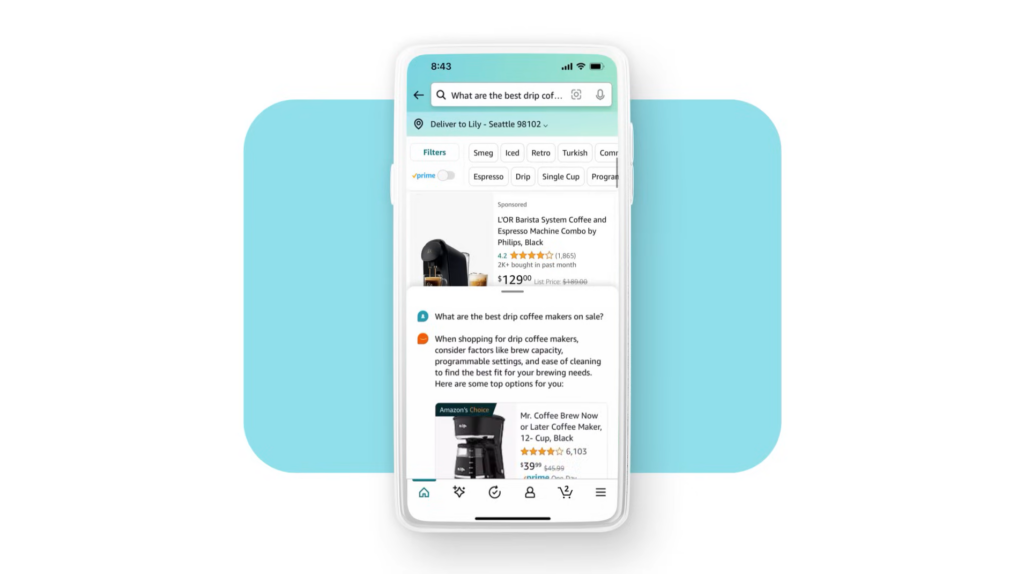
Image Source: Youtube
Best For: Amazon Prime members and mobile-first shoppers.
Embedded directly into the Amazon mobile app, Rufus is a generative AI assistant trained on Amazon’s vast catalog of product data, reviews, and specifications. It is designed to answer specific product questions—such as “Is this coffee maker easy to clean?”—by synthesizing thousands of customer reviews into a single answer.
- Key Features: Side-by-side product comparisons, cart management, and capability to answer questions about compatibility and sizing.
- 2025 Updates: New “Auto-Buy” features allow users to set price targets (e.g., “Buy these headphones if they drop below $150”), which Rufus executes automatically.
- Demographics: Heavy Amazon users and Prime members who want quick answers without scrolling through pages of reviews.
- Pricing: Free (integrated into the Amazon Shopping app).
4. Google “Shopping with AI”

Image Source: Youtube
Best For: Local inventory checks and virtual try-ons.
Google’s “Shopping with AI” mode brings agentic capabilities to the search giant’s ecosystem. A standout feature is its ability to autonomously call local stores to verify stock availability, saving users from wasted trips. It also leads the market in augmented reality (AR) shopping with virtual try-on tools.
- Key Features: Visualizes clothing on your specific body type using generative AI, tracks price history, and syncs shopping lists across Google platforms.
- 2025 Updates: Enhanced computer vision now boasts a 92% accuracy rate for size recommendations, significantly reducing return rates for apparel.
- Demographics: General shoppers and fashion buyers looking for local availability and fit assurance.
- Pricing: Free.
5. Walmart “Sparky”
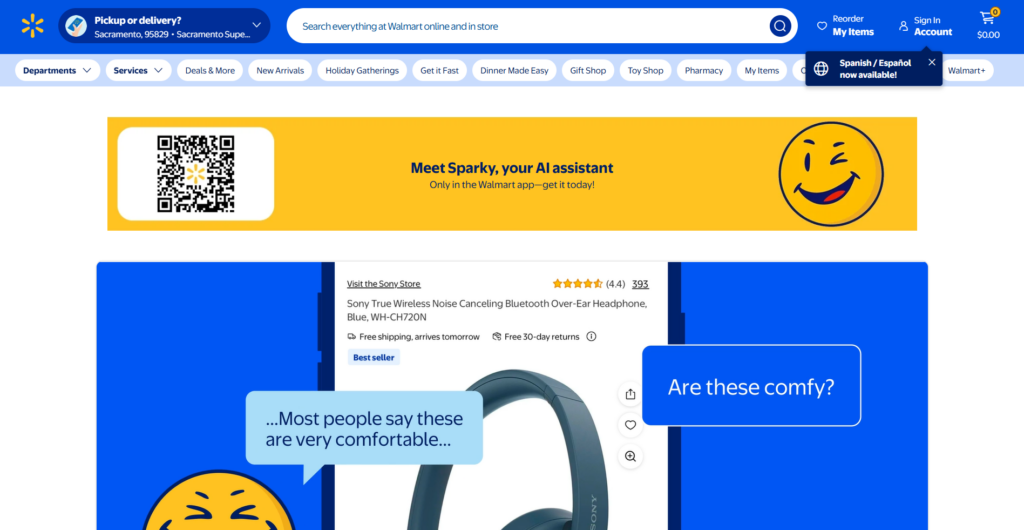
Image Source: walmart.com
Best For: Families, grocery planning, and budget-conscious shoppers.
Walmart’s GenAI assistant, “Sparky,” is built for multi-turn conversations that mimic a helpful store associate. It shines in occasion-based planning—ask it to “plan a birthday party for 10 kids under $100,” and it will build a cart with food, decor, and supplies while checking for dietary restrictions.
- Key Features: Predicts customer needs based on seasonal events (e.g., back-to-school), asks clarifying questions (e.g., “What is the lighting like in your room?” for TV buying), and bundles items for occasions.
- 2025 Updates: Now includes “Sponsored Prompts” that offer deals relevant to your conversation, and deeper integration with Walmart’s inventory for real-time pickup slots.
- Demographics: Families and weekly grocery shoppers who value convenience and budget management.
- Pricing: Free (integrated into the Walmart app).
6. Klarna AI Assistant
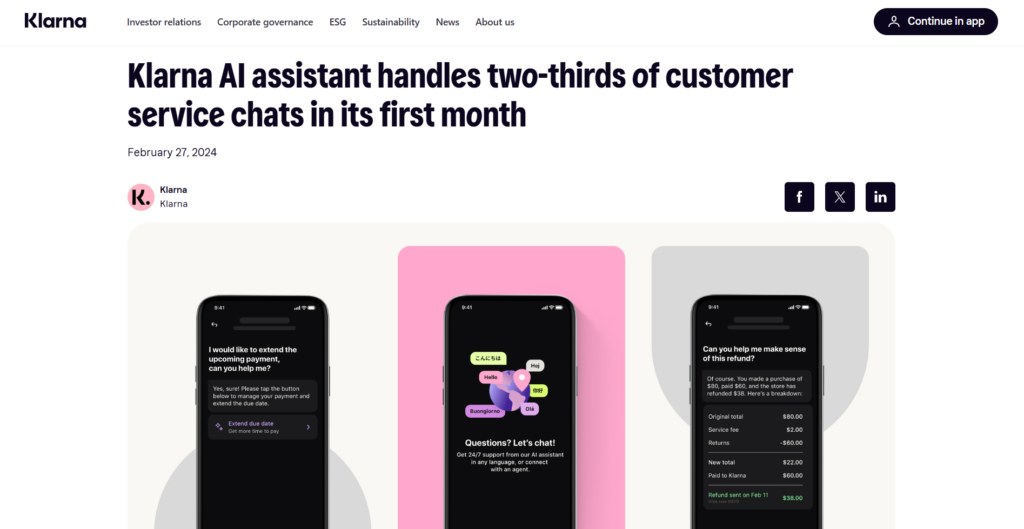
Image Source: klarna.com
Best For: Financial management and deal hunting.
Powered by OpenAI, Klarna’s assistant acts as a dual-purpose shopping and financial aide. It is unique in its ability to balance desire with budget, comparing prices across thousands of retailers while managing post-purchase logistics like returns and payment schedules directly through chat.
- Key Features: Suggests products within strict budget limits, manages “Buy Now, Pay Later” plans, and handles returns/exchanges via chat.
- 2025 Updates: The assistant now resolves customer service issues in under 2 minutes and can automatically negotiate better deals by finding active coupon codes across the web.
- Demographics: Gen Z and Millennials focused on smart spending and flexible payment options.
- Pricing: Free to use (interest may apply on financing options).
7. Daydream

Image Source: daydream.ing
Best For: High-end fashion discovery and complex style queries.
Launched fully in mid-2025, Daydream is a specialized search engine for fashion that understands semantic style queries. Users can search for a “revenge dress for a party in Sicily” or upload a photo of a runway look, and Daydream will curate matching items from over 2,000 brands.
- Key Features: “Chat-to-shop” interface, visual search that finds similar items from uploaded photos, and highly accurate style matching (78% accuracy reported).
- 2025 Updates: Advanced visual recognition allows users to filter visual results with text (e.g., “like this photo but in red”).
- Demographics: Fashion enthusiasts, trend-setters, and luxury shoppers.
- Pricing: Free.
8. Microsoft Copilot
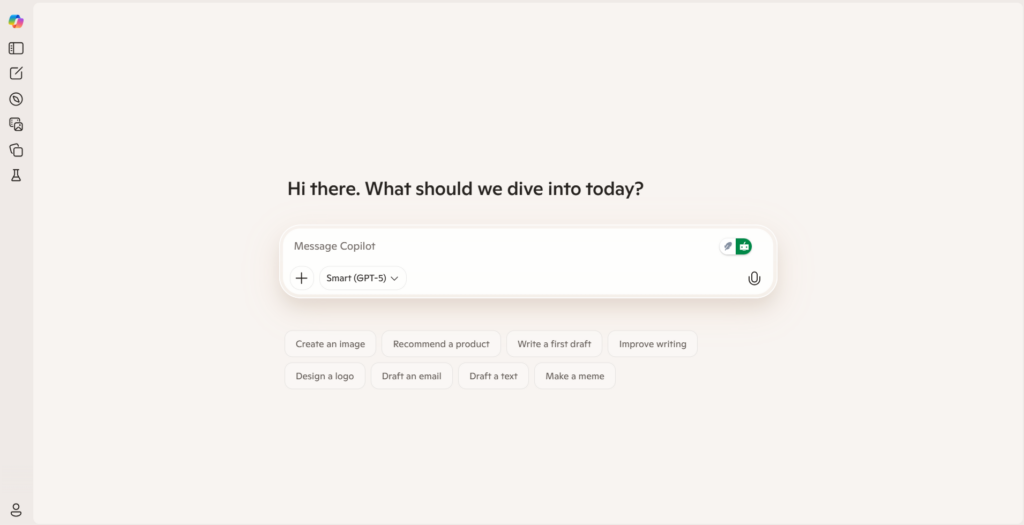
Image Source: copilot.microsoft.com
Best For: Desktop research and Windows ecosystem users.
Microsoft Copilot, integrated into Edge and Bing, received a major shopping update in late 2025. It now detects “shopping intent” and automatically activates specialized Shopping Cards that display price history, coupons, and aggregate reviews, effectively acting as a persistent research assistant alongside your browsing.
- Key Features: 90-day price trend tracking, review summarization from multiple sources, and seamless integration with Bing Shopping.
- 2025 Updates: Faster intent detection and “Shopping Cards” that pop up with relevant data without needing a specific prompt.
- Demographics: PC users, students, and anyone doing heavy browser-based product research.
- Pricing: Free (embedded in Windows/Edge).
Quick Comparison: Top AI Shopping Assistants of 2025

Knowing the rapidly expanding landscape of AI commerce tools can be complex given the specialized capabilities of each platform. This comparison matrix provides a quick-reference guide to the unique strengths, integrations, and costs associated with the top buying bots of 2025.
Tech Shopping: GPU Drops and Electronics Hunting

Tech-focused AI shopping assistants excel at tracking limited inventory items like graphics cards, gaming consoles, and smartphone releases. These automated buying tools monitor multiple retailers simultaneously and alert users to stock availability within seconds of restocking. The hyper-personalization engines learn user preferences for specific brands, specifications, and price points.
Smart shopping companions integrate with retailer APIs to provide real-time inventory data and automated checkout capabilities. Users set up watchlists for high-demand items, and the AI deal finder extension triggers purchase workflows when products become available at target prices.
Price Tracking and Deal Alerts
AI price tracker apps monitor historical pricing data across retailers and predict optimal purchase windows based on seasonal trends and inventory cycles. The automated negotiation protocols compare prices, apply available coupons, and calculate total cost including shipping and taxes. Users report average savings of 15-25% compared to immediate purchases.
Top 3 Tools for Tech Hunting & GPU Drops
For enthusiasts hunting elusive GPU drops or the latest gaming consoles, leveraging the right AI agents is the difference between “out of stock” and “order confirmed.” The platforms below excel at the real-time monitoring and specification analysis required for high-stakes tech shopping, ensuring you catch limited inventory releases immediately.
- Google Shopping AI: Essential for inventory hunting, its agentic ability to autonomously call local stores helps validate stock availability faster than manual checking, giving you an edge on local drops.
- Microsoft Copilot: The best companion for price discipline; its 90-day price history tools and shopping intent detection help predict optimal purchase windows for volatile tech pricing.
- Perplexity AI: Ideal for speed, offering real-time cross-retailer comparisons and instant checkout, allowing you to secure high-demand items across various sources before they sell out.
Grocery Shopping: Meal Planning and Inventory Management
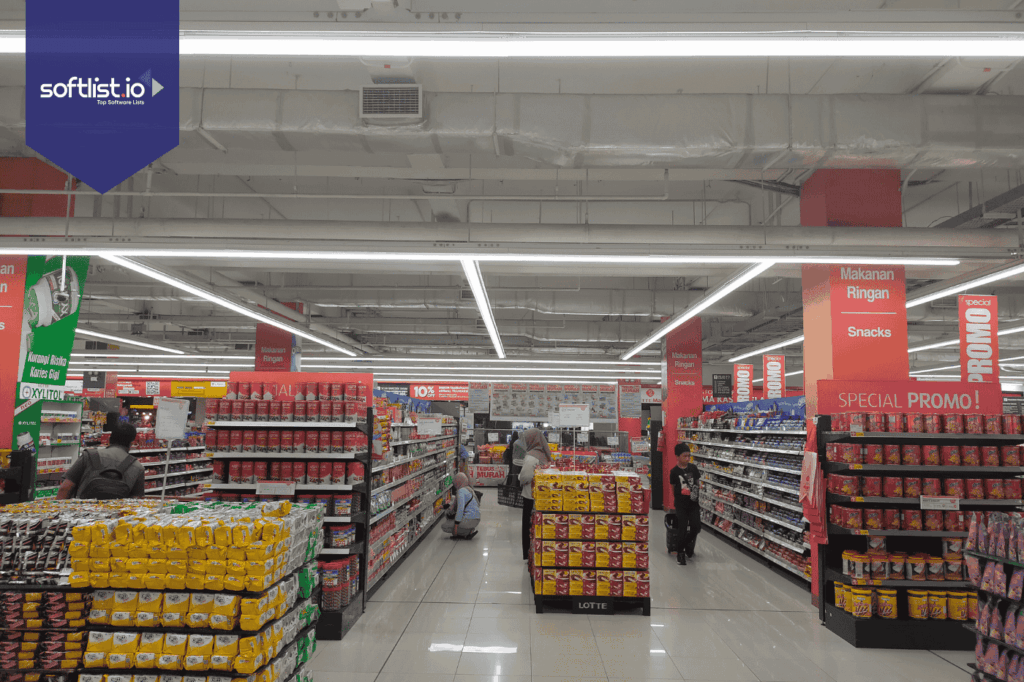
Grocery-focused AI shopping assistants integrate with meal planning applications and dietary preference databases to suggest complete shopping lists based on planned meals and household inventory levels. The predictive personalization algorithms learn family eating patterns, dietary restrictions, and preferred brands to automate routine purchases.
Autonomous shopping agents handle recurring orders for household essentials while adapting to seasonal availability and price fluctuations. Users set up automated reordering for frequently consumed items with customizable delivery schedules and quantity adjustments based on consumption patterns.
Nutritional Analysis and Budget Optimization
Advanced grocery AI assistants analyze nutritional content, ingredient lists, and cost-per-serving calculations to optimize both health and budget objectives. The zero-party data utilization includes user-provided health goals, budget constraints, and taste preferences to create personalized shopping recommendations.
Top 3 Tools for Grocery Planning & Budgeting
Mastering household logistics requires AI agents that balance nutritional goals with strict budget constraints. These top three tools automate the complex cycle of meal planning, inventory tracking, and cost optimization to keep your kitchen stocked and your wallet happy.
- Walmart Sparky: The leader in grocery intelligence, excelling at occasion-based bundle recommendations and filtering items by specific dietary restrictions for seamless weekly hauls.
- ChatGPT: Your dedicated nutritionist and planner; use it to analyze ingredient lists, generate healthy recipes, and create organized shopping lists based on family eating patterns.
- Klarna AI: Best for budget discipline; it optimizes household spending by tracking costs across retailers and managing payments for bulk essential orders.
Fashion Shopping: Visual Search and Style Discovery

Fashion-focused AI shopping assistants have revolutionized how consumers discover personal style, moving beyond keyword search to intuitive visual and conversational interfaces. These intelligent agents process complex aesthetic requests—like “boho-chic wedding guest dress for a beach venue”—and curate selections from thousands of global brands. By leveraging computer vision and semantic understanding, they bridge the gap between a user’s mental image and purchasable reality.
Virtual Try-On Feature
The integration of virtual try-on technology and size recommendation algorithms addresses the industry’s biggest pain point: fit. Advanced platforms allow shoppers to visualize garments on their specific body types before purchase, significantly reducing return rates. Hyper-personalization engines track brand preferences, size history, and trending styles to deliver a boutique-like experience that adapts to seasonal changes and individual taste evolution.
Top 3 Tools for Fashion Discovery & Styling
For trendsetters and style-conscious shoppers, the right AI tools act as digital stylists, filtering through the noise of fast fashion to find quality pieces that fit both your body and your budget.
- Daydream: The premier “chat-to-shop” engine, specifically built to understand high-fashion nuance and visual search. It excels at translating abstract style descriptions or uploaded photos into purchasable reality across luxury and contemporary brands.
- Google Shopping AI: Unmatched for confidence in fit; its virtual try-on features let you see how clothes drape on your specific body type, while its visual search tools help you find affordable dupes of celebrity looks instantly.
- Amazon Rufus: Best for practical wardrobe building; use it to check sizing consistency across brands by analyzing thousands of reviews, ensuring the basics you buy actually fit as expected.
Supplementary Tools for Enhanced Shopping Automation
Several platforms complement AI shopping assistants by addressing security, speed, and deal optimization challenges that arise during automated purchasing processes.

Image Source: NordVPN
NordVPN
NordVPN enables access to region-locked product drops and international sales by allowing location spoofing across different markets. The service protects financial data and identity information when using automated buying tools on public networks or unsecured connections.
Image Source: 1Password
1Password
1Password provides secure, instant autofill capabilities for credit card details and shipping addresses during checkout processes. The password manager ensures users don’t lose limited-stock items like GPUs or exclusive sneaker drops due to slow manual data entry during purchase workflows.
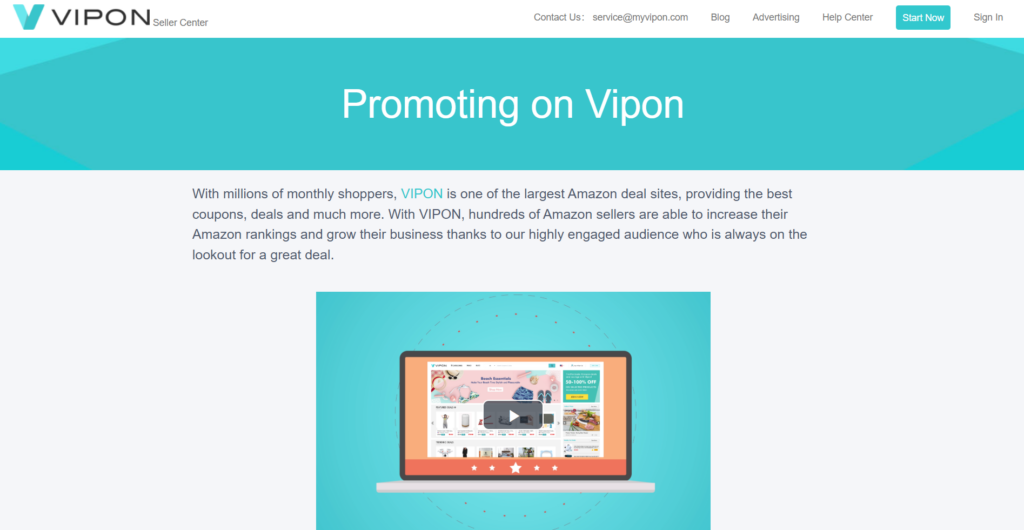
Image Source: Vipon
Vipon
Vipon serves as a dedicated Amazon coupon and deal aggregation platform that feeds data directly to deal finder bots. The service ensures AI shopping assistants access the lowest possible prices by providing real-time coupon codes and promotional offers.
Image Source: Make
Make
Make enables advanced users to create custom automation workflows that trigger specific actions based on AI shopping assistant alerts. Users build smart triggers that send notifications or automatically add wishlist items to carts when price drops occur or inventory becomes available.
Conclusion
AI shopping assistants revolutionize product discovery and purchase decisions across fashion, tech, and grocery categories through conversational commerce and automated workflows. These tools reduce research time, optimize pricing, and provide personalized recommendations that match specific user needs and preferences. The rapid market growth and continuous feature improvements position AI shopping assistants as essential tools for efficient online purchasing.
Ready to shop smarter with AI-powered assistants that actually work for you. At Softlist.io, we’ve tested the leading tools that turn browsing into truly personalized buying journeys. Explore our Top AI Chatbot Platforms guide to discover ethical, conversational AI tools that help you research, compare, and purchase with confidence—without replacing the human judgment that matters most.
FAQs
What Are AI Shopping Assistants?
AI shopping assistants are advanced tools that leverage artificial intelligence to help consumers find, compare, and purchase products efficiently. They provide personalized recommendations and streamline the shopping experience across various categories, including fashion, tech, and groceries.
How Do AI Shopping Assistants Work?
AI shopping assistants analyze user preferences, browsing history, and product data to offer tailored recommendations. They use algorithms to understand patterns and trends, enabling them to suggest relevant products and help users make informed purchasing decisions.
What Are the Benefits of Using AI Shopping Assistants?
Using AI shopping assistants can save time, enhance personalization, and improve decision-making. They simplify the shopping process by providing curated options, price comparisons, and real-time availability, allowing consumers to make choices that best fit their needs.
Are AI Shopping Assistants Reliable?
Yes, reputable AI shopping assistants rely on extensive data and user feedback to ensure accuracy and reliability. At Softlist.io, we emphasize thorough research and user validation, helping readers choose trustworthy tools that deliver consistent results.
How Do I Choose the Right AI Shopping Assistant?
To select the right AI shopping assistant, consider your specific needs, such as the product categories you shop for, pricing, ease of use, and additional features. Our guides at Softlist.io provide clear comparisons and recommendations based on real-world use cases to help you make an informed decision.
Are There Free AI Shopping Assistants Available?
Yes, many AI shopping assistants offer free versions with essential features. However, premium options may provide enhanced functionalities and better personalization. At Softlist.io, we evaluate both free and paid tools to give you a comprehensive view of your options.
Can AI Shopping Assistants Help with Price Comparisons?
Absolutely! One of the key features of AI shopping assistants is their ability to perform real-time price comparisons across multiple retailers, ensuring you get the best deal available. Our reviews highlight the effectiveness of different tools in this regard.
What Should I Consider When Using AI Shopping Assistants?
When using AI shopping assistants, consider factors such as data privacy, the accuracy of recommendations, and the assistant’s ability to adapt to your preferences over