Meta descriptions are the brief snippets that appear under page titles in search engine results, serving as your website’s first impression to potential visitors. These 150-160 character summaries directly influence whether users click through to your content, making them crucial for both SEO performance and user engagement. A meta description generator is an AI-powered tool that automatically creates these snippets based on your content, keywords, or page URLs, streamlining the process of crafting compelling descriptions for every page on your site.
Key Takeaways
- Free meta description generators save hours of writing time while maintaining SEO quality and consistency across large websites.
- These tools help optimize keyword placement and character limits, ensuring descriptions display properly in search results.
- AI generators provide multiple description variations, giving content creators diverse options to match their brand voice and target audience.
- Manual editing remains essential for personalizing generated descriptions and adding unique value propositions that AI might miss.
- The best generators offer features like SERP previews, tone customization, and integration with existing content management workflows.
Understanding how meta description generators work can transform your content optimization workflow and search performance.
How Meta Description Generators Work
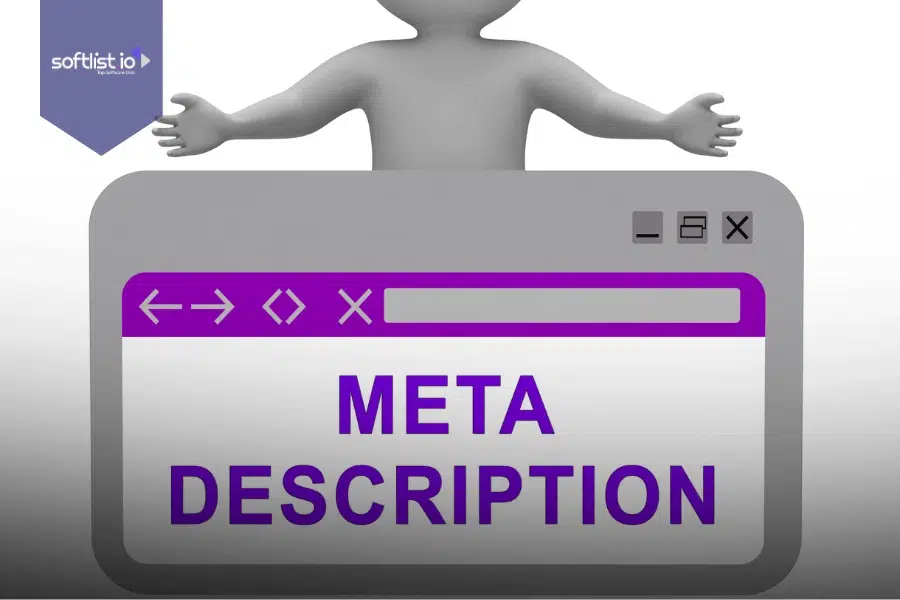
Meta description generators analyze your input content, whether it’s a page URL, blog title, or full article text, to extract key themes and important keywords. The AI processes this information against SEO best practices, character limits, and readability standards to produce multiple description options. Most free description generator online tools use natural language processing to understand context and create human-readable summaries that search engines favor.
The generation process typically takes 3-10 seconds, with advanced tools offering customization options for tone, target audience, and specific keyword inclusion. Popular platforms like Grammarly and Ahrefs provide instant results without requiring user registration or payment.
Input Methods and Customization
Different generators accept various input types to accommodate different workflow preferences. URL-based generators crawl your existing content automatically, while text-based tools let you paste specific paragraphs or bullet points for more targeted descriptions.
Common Input Options
- Website URLs for automatic content analysis
- Blog titles and headlines
- Full article text or excerpts
- Target keywords and key phrases
- Product names and specifications
AI Processing and Output Quality
Modern seo meta description generator tools use machine learning models trained on millions of high-performing meta descriptions to understand what drives clicks. These systems recognize patterns in successful descriptions, including emotional triggers, value propositions, and call-to-action phrases that encourage user engagement.
The output quality depends heavily on input quality and the tool’s training data, with premium generators typically producing more nuanced and brand-appropriate results.
Exploring the specific benefits reveals why these tools have become essential for content teams and solo creators alike.
Speed and Consistency Benefits
Manual meta description writing can consume 5-10 minutes per page, making it impractical for websites with hundreds or thousands of pages. Free meta description generators reduce this time to under 30 seconds per description, allowing content teams to optimize entire sites efficiently. The consistency factor becomes particularly valuable for e-commerce sites or large blogs where maintaining uniform quality across all pages proves challenging.
Generators eliminate the variability that comes with different team members writing descriptions, ensuring every page meets basic SEO standards and character requirements.
Batch Processing Capabilities
- Generate descriptions for multiple pages simultaneously
- Maintain consistent brand voice across all content
- Standardize keyword placement and formatting
- Reduce human error in character counting and optimization
- Enable rapid site-wide SEO improvements
Quality Control and Standards
Professional generators enforce SEO best practices automatically, including optimal character limits, keyword density, and readability scores. This built-in quality control prevents common mistakes like overly long descriptions that get truncated in search results or keyword stuffing that hurts rankings.
Teams can establish baseline quality standards without extensive SEO training for every content creator.
Beyond speed improvements, these tools offer strategic advantages for search optimization.
Keyword Alignment and SEO Optimization
Meta title generator tools and description generators excel at identifying and incorporating relevant keywords from your content naturally. They analyze semantic relationships between terms, ensuring descriptions include both primary keywords and related phrases that search engines associate with your topic. This comprehensive keyword coverage improves your chances of ranking for multiple search queries while maintaining natural readability.
The best generators also consider search intent, crafting descriptions that match what users expect to find when they click through from specific search queries.
| Generator Feature | SEO Benefit | User Impact |
|---|---|---|
| Keyword Density Analysis | Optimal keyword placement without stuffing | More relevant search result appearances |
| Character Limit Enforcement | Prevents description truncation in SERPs | Complete message delivery to searchers |
| Semantic Keyword Inclusion | Broader search query coverage | Increased visibility for related searches |
| Search Intent Matching | Better relevance signals to search engines | Higher quality traffic and engagement |
| Competitor Analysis | Insights into successful description patterns | Competitive advantage in search results |
Long-tail Keyword Integration
Generators identify long-tail keyword opportunities within your content that manual writing might miss. These specific phrases often have lower competition but higher conversion rates, making them valuable for driving targeted traffic.
Smart tools also suggest related keywords that complement your primary terms, expanding your search visibility without diluting your main message.
The optimization benefits directly translate into measurable improvements in click-through rates.
Improved Click-Through Rates and User Engagement
Well-crafted meta descriptions can increase click-through rates by 20-30% compared to generic or missing descriptions, directly impacting your search traffic volume. Generators analyze high-performing description patterns to incorporate proven elements like urgency, benefits, and emotional triggers that motivate users to click. They also structure descriptions to highlight unique value propositions and differentiate your content from competitors in the same search results.
The meta description example outputs typically include action words, specific benefits, and clear expectations about what users will find on your page.
Psychological Triggers and Persuasion Elements
- Urgency phrases that encourage immediate action
- Benefit-focused language highlighting user value
- Question formats that create curiosity gaps
- Social proof indicators like testimonials or statistics
- Clear calls-to-action that guide user behavior
Competitive Differentiation Strategies
Advanced generators analyze competing pages in your target search results to identify differentiation opportunities. They suggest unique angles or benefits that set your content apart from similar pages ranking for the same keywords.
This competitive intelligence helps create descriptions that stand out visually and conceptually in crowded search results.
For content creators managing multiple projects, generators provide valuable creative assistance.
Creative Inspiration and Idea Generation
Writer’s block affects meta description creation just as much as long-form content, especially when optimizing dozens of pages with similar topics. Free meta description generators provide multiple creative variations for each input, offering fresh perspectives and angles you might not consider manually. These alternative approaches help break creative barriers and inspire new ways to present your content’s value proposition.
The variety of generated options also helps identify which messaging approaches resonate best with your target audience through testing and refinement.
Brainstorming and Iteration Support
Generators serve as brainstorming partners, producing initial concepts that you can refine and personalize. This collaborative approach combines AI efficiency with human creativity, resulting in descriptions that maintain authenticity while meeting technical SEO requirements.
Multiple output options enable A/B testing different messaging strategies to optimize performance over time.
The scalability advantages become most apparent for large websites and enterprise content operations.
Scalability for Large Websites
E-commerce sites with thousands of product pages or content sites with extensive archives face unique challenges in meta description optimization. Manual creation becomes prohibitively time-consuming and expensive, while missing or duplicate descriptions hurt search performance across the entire site. Meta description generator free tools enable large-scale optimization projects that would otherwise require substantial human resources and extended timelines.
Enterprise-level generators often include batch processing features and API integrations that automate description creation within existing content management workflows.
Enterprise Integration Capabilities
- API connections for automated workflow integration
- Bulk upload and processing for large page volumes
- Template systems for consistent brand messaging
- Quality scoring and approval workflows
- Performance tracking and optimization recommendations
Cost-Effectiveness Analysis
The time savings from generators translate directly into cost savings for businesses. A content team that previously spent 40 hours monthly on meta descriptions can redirect that effort toward higher-value activities like content strategy and performance analysis.
Free tools provide substantial value for small businesses, while paid versions offer advanced features that justify their cost through improved efficiency and results.
Understanding the practical implementation process helps maximize the benefits of these tools.
Step-by-Step Implementation Guide
Successfully using meta description generators requires a systematic approach that combines AI efficiency with human oversight and brand alignment. The process begins with selecting appropriate tools and establishing quality standards, then moves through generation, editing, and optimization phases. Most content teams find success by treating generator output as a starting point rather than a final product, using AI suggestions to accelerate the creative process while maintaining brand voice and messaging consistency.
The implementation workflow should include validation steps to ensure generated descriptions meet both technical SEO requirements and brand guidelines.
Tool Selection and Setup
- Evaluate free options like Grammarly, Ahrefs, and RyRob based on your specific needs
- Test different generators with sample content to compare output quality
- Establish character limits and keyword requirements for your use case
- Create templates or guidelines for consistent brand voice integration
- Set up tracking systems to measure performance improvements
Generation and Editing Workflow
The most effective approach combines automated generation with strategic manual editing. Start by generating 3-5 options for each page, then select the best foundation and customize it to match your brand voice and specific value propositions.
This hybrid approach maintains efficiency while ensuring each description feels authentic and compelling to your target audience.
Quality Assurance Checklist
- Character count between 150-160 characters for optimal display
- Primary keyword included naturally within the first 120 characters
- Clear value proposition or benefit statement
- Brand voice consistency with existing content
- Call-to-action or engagement element when appropriate
- Factual accuracy and current information
Recognizing the limitations helps set appropriate expectations and develop complementary strategies.
Limitations and Best Practice Guidelines
While meta description generators provide significant efficiency gains, they cannot replace human judgment in understanding brand nuance, audience psychology, and specific business contexts. Generated descriptions often lack the emotional resonance and unique positioning that manual writing can achieve, requiring human editing to add personality and competitive differentiation. The AI also struggles with highly technical content, local business specifics, and time-sensitive information that requires regular updates.
Understanding these limitations helps establish realistic expectations and develop workflows that maximize AI benefits while addressing its shortcomings.
Common AI Limitations
- Generic language that lacks brand personality
- Difficulty understanding complex technical concepts
- Inability to incorporate real-time information or current events
- Limited understanding of local business context and geography
- Potential for keyword stuffing in competitive niches
- Lack of emotional intelligence for sensitive topics
Best Practice Implementation
Successful teams treat generators as powerful starting points rather than complete solutions. They establish clear editing protocols that ensure every generated description receives human review and customization before publication.
Regular performance monitoring helps identify which generated descriptions perform well and which require additional optimization or complete rewrites.
Examining real-world examples demonstrates the practical difference between effective and ineffective descriptions.
Real-World Examples and Performance Comparisons
Comparing weak and optimized meta descriptions reveals the tangible impact of generator tools and proper editing techniques. A generic description like “Learn about project management software and tools” performs poorly because it lacks specificity, benefits, and compelling reasons to click. An optimized version might read: “Compare top 10 project management tools for small teams. Features, pricing, and user reviews to help you choose the right software in 2024.”
The optimized version includes specific numbers, target audience, clear benefits, and current year relevance that significantly improve click-through potential.
| Description Type | Example | Character Count | Key Strengths |
|---|---|---|---|
| Weak Generic | “Learn about email marketing. Tips and strategies for businesses.” | 72 | Too short, vague benefits |
| AI Generated | “Discover effective email marketing strategies to boost engagement and drive sales for your business with proven tips and best practices.” | 144 | Better length, includes benefits |
| Optimized Final | “Master email marketing with 15 proven strategies that increase open rates by 40%. Free templates, automation tips, and campaign examples included.” | 156 | Specific numbers, clear value, optimal length |
Performance Metrics and Improvements
Websites that implement systematic meta description optimization typically see 15-25% improvements in organic click-through rates within 30-60 days. The most significant gains occur on pages that previously had missing or duplicate descriptions, while pages with existing descriptions show more modest but still meaningful improvements.
Meta description generator for facebook and other social platforms show similar patterns, with optimized descriptions driving higher engagement rates and social sharing.
Several specialized platforms offer additional capabilities that complement basic meta description generation.
Supplementary Platforms for Enhanced Meta Description Creation

Beyond basic meta description generators, several comprehensive content platforms provide advanced features for SEO optimization and description creation. These tools often integrate meta description generation with broader content marketing workflows, offering additional context and optimization opportunities. Content creators seeking more sophisticated control over their SEO elements may find these platforms valuable supplements to standalone generators.
Each platform brings unique strengths to the meta description creation process, from advanced AI capabilities to comprehensive SEO analysis features.
Scalenut
Scalenut combines AI-powered meta description generation with comprehensive SEO content planning and optimization features. The platform analyzes competitor descriptions and search intent to create descriptions that align with broader content strategy goals.
Key Features
- Integrated content planning and SEO optimization
- Competitor analysis for description benchmarking
- Bulk generation capabilities for large content volumes
- Performance tracking and optimization recommendations
- Template systems for brand consistency
An AI-powered Organic Marketing Platform that drives and optimizes every stage of your content lifecycle, from creation to distribution and performance analysis.


AI-Writer
AI-Writer focuses on creating factually accurate content with built-in meta description generation that maintains consistency with article content. The platform excels at generating descriptions for research-based and informational content where accuracy is paramount.
Key Features
- Source verification and fact-checking integration
- Content-description alignment for consistency
- Research-based description generation
- Citation and reference integration
- Multiple language support for global content
You need content with information you can trust all the time. AI-Writer is the only AI content generator that cites sources for everything it writes. Competing platforms create text out of thin air and you never know where it's wrong. Something even Google and Meta had to learn the hard way.

Writecream AI
Writecream AI offers versatile meta description generation alongside multiple content creation tools, making it ideal for creators managing diverse content types. The platform provides extensive customization options for tone, style, and target audience alignment.
Key Features
- Multi-format content creation with SEO integration
- Advanced tone and style customization
- Audience-specific description variations
- Creative brief integration for brand alignment
- Performance analytics and optimization suggestions
Instantly create high-quality marketing content and sales emails in seconds, all at a fraction of the cost. Start your free trial now—no credit card needed.

Final Thoughts
Meta description generators represent a practical solution for content creators and businesses seeking to improve their search visibility efficiently. These tools excel at providing consistent, SEO-optimized starting points that save significant time while maintaining technical best practices. The key to success lies in treating generated descriptions as foundations for further customization rather than final products, ensuring each description reflects your unique brand voice and value proposition.
Regular testing and performance monitoring help identify which approaches work best for your specific audience and content types. The combination of AI efficiency and human creativity produces the most compelling results that drive both search rankings and user engagement.
At Softlist.io, we help you discover the best software solutions for your content creation and SEO needs, from AI writing tools to comprehensive marketing platforms.
Frequently Asked Questions
How to create a meta description?
Create a meta description by writing a compelling 150-160 character summary of your page content that includes your primary keyword, highlights the main benefit or value proposition, and encourages users to click. Use active voice, specific details, and avoid duplicate descriptions across your site.
What is the AI tool for meta description?
AI tools for meta descriptions include Grammarly’s free generator, Ahrefs’ writing tools, RyRob’s generator, and SE Ranking’s tool. These platforms analyze your content or URL to automatically create SEO-optimized descriptions that meet character limits and include relevant keywords.
What is a meta description in Blogger?
A meta description in Blogger is the search description that appears under your blog post title in search results. You can add it manually in the post editor under “Search Description” or let Blogger generate one automatically from your content, though manual creation typically produces better results.
What is an example of a meta keyword?
Meta keywords are largely obsolete for SEO, but an example would be “project management, team collaboration, productivity software, task tracking” for a project management article. Modern SEO focuses on incorporating keywords naturally within meta descriptions and content rather than separate meta keyword tags.
What is an example of a meta description?
An effective meta description example: “Compare the top 10 email marketing platforms for small businesses. Features, pricing, pros and cons to help you choose the best tool for your needs in 2024.” This includes keywords, specific benefits, target audience, and current relevance within the optimal character count.