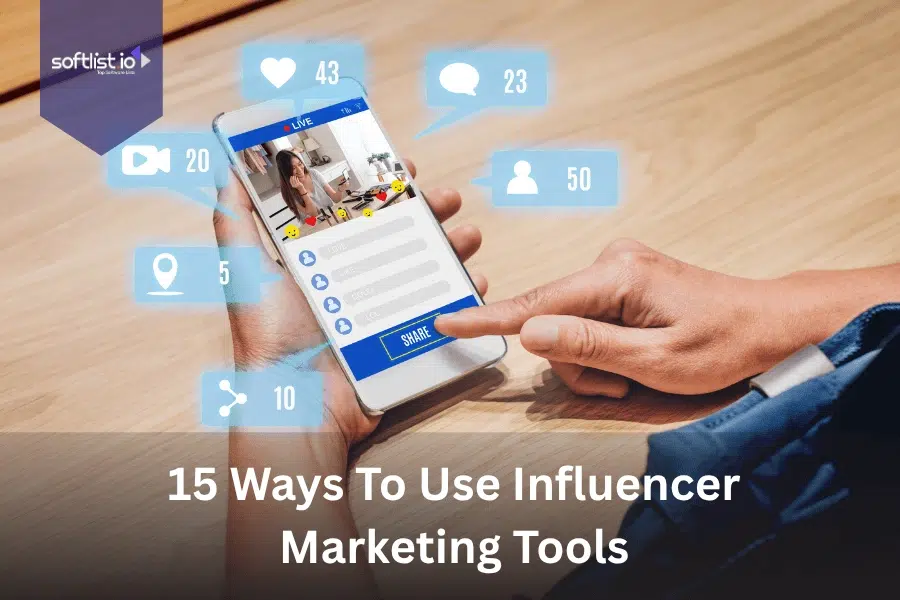
Influencer marketing drives $6.50 in earned media value for every dollar spent, making it one of the most profitable digital strategies today. Brands partner with creators to reach authentic audiences and generate user-generated content that converts better than traditional advertising.
The right influencer marketing tools transform chaotic campaigns into streamlined operations. These platforms help you discover creators, manage relationships, track performance, and measure ROI across multiple campaigns simultaneously.
Key Takeaways
- Influencer marketing tools streamline discovery, outreach, and campaign management processes for better efficiency.
- Top influencer marketing tools provide analytics dashboards to track engagement rates, reach, and conversion metrics.
- Best influencer marketing platforms offer automated workflows that save hours on repetitive campaign tasks.
- Platform for influencer marketing selection depends on budget, team size, and specific campaign requirements.
- Influencer platforms for creators enable two-way collaboration with built-in communication and content approval features.
Let’s explore the most effective ways to leverage these powerful marketing tools for your brand campaigns.
1. Discover Relevant Influencers in Your Niche

Influencer discovery tools scan millions of social profiles to find creators who match your target audience demographics. These platforms filter influencers by location, follower count, engagement rate, and content topics. You can search for micro-influencers with 10K-100K followers who often deliver higher engagement rates than mega-influencers.
Tools like AspireIQ and Upfluence analyze audience overlap between your brand followers and potential influencers. This data helps you identify creators whose audiences genuinely align with your customer base.
2. Analyze Influencer Audience Demographics
Audience analysis features reveal detailed insights about an influencer’s followers before you commit to partnerships. You can view age ranges, gender splits, geographic locations, and interests of their audience. This prevents partnerships with influencers whose followers don’t match your target market.
Many influencer marketing tools free versions include basic demographic data. Premium features often provide deeper insights like audience authenticity scores and follower growth patterns.
3. Track Engagement Rates and Authenticity
Engagement tracking tools calculate real interaction rates by analyzing likes, comments, shares, and saves across recent posts. They identify sudden spikes in followers or engagement that might indicate fake followers or bot activity. Authentic engagement typically ranges from 1-3% for accounts with 100K+ followers.
Advanced platforms flag suspicious activity patterns and provide authenticity scores for each influencer. This protects your brand from partnerships with creators who use artificial engagement boosting.
4. Manage Influencer Outreach Campaigns
Campaign management features organize your outreach efforts through centralized dashboards and automated email sequences. You can create personalized pitch templates, schedule follow-up messages, and track response rates across hundreds of influencer contacts. These tools maintain conversation histories and partnership details in one accessible location.
Bulk outreach capabilities let you contact multiple relevant influencers simultaneously while maintaining personalized messaging. Status tracking shows which influencers opened emails, responded, or declined partnerships.
5. Negotiate and Manage Contracts
Contract management tools provide templates for influencer agreements that cover deliverables, timelines, usage rights, and compensation terms. Built-in approval workflows ensure legal teams review contracts before execution. Digital signature integration speeds up the agreement process from weeks to days.
These platforms store all contract documents and automatically send reminders for upcoming deadlines or deliverable dates. Payment processing features can automate influencer compensation based on completed milestones.
6. Plan Content Calendars Collaboratively
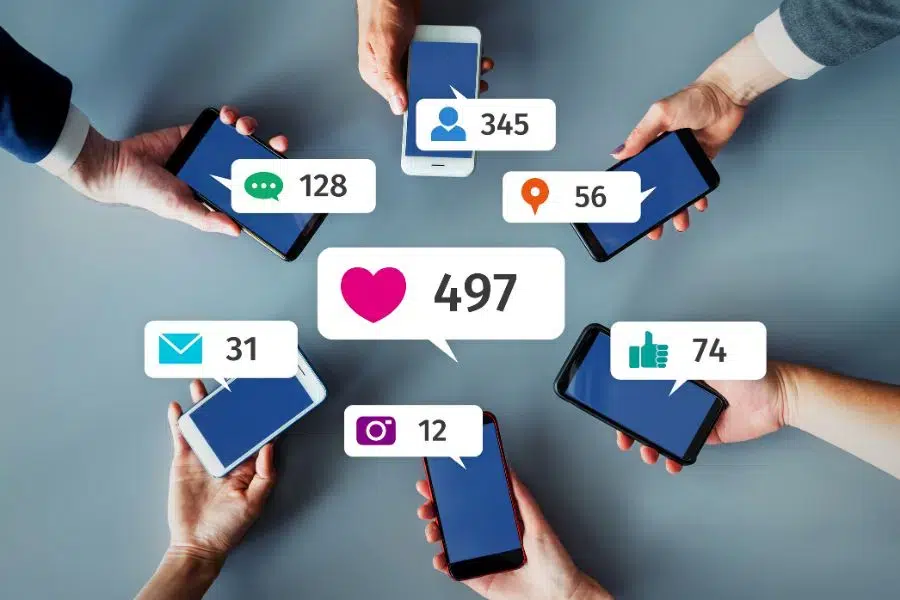
Collaborative planning tools let brands and influencers coordinate content schedules through shared calendars and project timelines. You can assign specific posting dates, review content drafts, and ensure consistent messaging across multiple influencer partnerships. Visual calendar views help prevent content conflicts and optimize posting frequency.
Integration with social media scheduling tools allows direct publishing from the influencer platform. This streamlines the content approval and publishing workflow for both parties.
7. Monitor Campaign Performance in Real-Time
Real-time monitoring dashboards track campaign metrics as content goes live across social platforms. You can watch engagement rates, reach numbers, and click-through rates update throughout campaign duration. Alert systems notify you when posts exceed expected performance or underperform against benchmarks.
Live tracking helps you identify high-performing content formats and optimize future campaigns. Quick performance insights enable rapid strategy adjustments during active campaigns.
8. Measure Return on Investment (ROI)
ROI calculation tools connect influencer campaign costs with actual business outcomes like website traffic, leads, and sales conversions. Attribution tracking follows customer journeys from influencer content to final purchase decisions. These metrics prove campaign value to stakeholders and guide future budget allocation.
Advanced analytics platforms integrate with e-commerce systems and Google Analytics to provide comprehensive conversion tracking. Cost-per-acquisition calculations help you identify the most profitable influencer partnerships.
9. Create and Distribute Media Kits
Digital media kit creation tools help you build professional brand packages that influencers can reference during content creation. These kits include brand guidelines, approved hashtags, product information, and visual assets. Centralized distribution ensures all campaign participants access current brand materials.
Version control features track media kit updates and notify influencers of new guidelines or assets. This maintains brand consistency across diverse influencer content styles.
10. Automate Influencer Payments
Payment automation features process influencer compensation based on completed deliverables and performance milestones. Integration with accounting systems tracks campaign expenses and generates tax documentation. Automated payments reduce administrative overhead and improve influencer satisfaction through timely compensation.
Multi-currency support enables international influencer partnerships without complex payment processing. Escrow features protect both parties by holding payments until deliverable completion.
11. Generate Campaign Reports for Stakeholders

Automated reporting tools compile campaign performance data into professional presentations for executives and clients. Custom report templates highlight key metrics like reach, engagement, conversions, and ROI calculations. Scheduled report generation ensures stakeholders receive regular campaign updates without manual effort.
White-label reporting options let agencies present campaign results under their own branding. Export capabilities support various formats including PDF, PowerPoint, and CSV for further analysis.
12. Build Long-Term Influencer Relationships
Relationship management features maintain detailed profiles of past collaborators including performance history, content preferences, and communication notes. This information helps you identify top-performing influencers for repeat partnerships and build ambassador programs. Relationship scoring algorithms rank influencers based on past campaign success.
Automated follow-up sequences nurture relationships between campaigns through birthday messages, product launches, and collaboration opportunities. Long-term partnership tracking shows influencer value over multiple campaigns.
13. Comply With FTC Disclosure Requirements
Compliance monitoring tools ensure influencer content includes proper FTC disclosure language and hashtags like #ad or #sponsored. Automated scanning detects missing disclosures and sends correction requests to influencers. This protects your brand from regulatory violations and maintains transparent advertising practices.
Template libraries provide approved disclosure language for different content types and platforms. Compliance reporting demonstrates adherence to advertising regulations for legal and audit purposes.
14. Scale Micro-Influencer Campaigns
Micro-influencer management tools help you coordinate campaigns across dozens or hundreds of smaller creators simultaneously. Bulk communication features send campaign briefs and updates to entire influencer groups. Standardized workflows ensure consistent campaign execution across diverse micro-influencer partnerships.
Performance aggregation shows collective campaign results from multiple micro-influencers. This data proves that distributed micro-influencer strategies often outperform single macro-influencer partnerships.
15. Integrate With Existing Marketing Tools
Integration capabilities connect influencer platforms with your existing marketing technology stack including CRM systems, email marketing tools, and social media management platforms. API connections enable data sharing between tools for comprehensive campaign tracking. This integration prevents data silos and provides holistic marketing performance views.
Webhook support triggers automated actions in other tools based on influencer campaign events. For example, successful influencer conversions can automatically add customers to email nurture sequences.
| Tool Category | Primary Function | Best For | Pricing Range |
|---|---|---|---|
| Discovery Platforms | Find and vet influencers | Campaign planning | $99-500/month |
| Management Suites | End-to-end campaign management | Large-scale campaigns | $500-2000/month |
| Analytics Tools | Performance tracking and ROI | Campaign optimization | $199-800/month |
| Creator Networks | Direct influencer marketplace | Quick partnerships | Commission-based |
Now let’s explore some complementary tools that enhance your influencer marketing efforts.
Additional Tools That Support Influencer Marketing
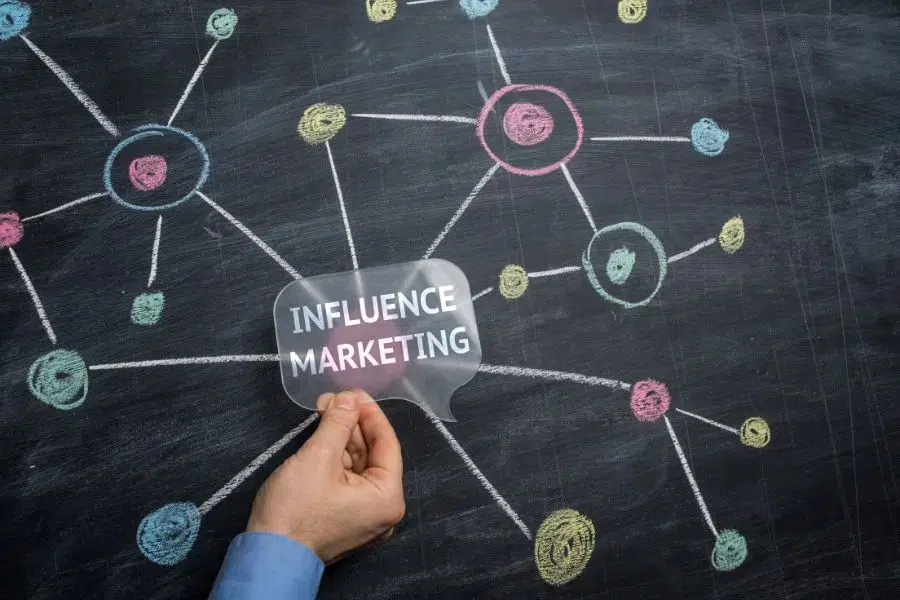
Several specialized platforms complement traditional influencer marketing tools by addressing specific content and research needs. These tools enhance campaign quality and provide deeper market insights for more effective influencer strategies.
Murf.ai
Murf.ai generates professional voiceovers for influencer campaign videos using AI voice synthesis technology. This tool helps brands create consistent audio branding across multiple influencer partnerships without hiring voice actors.
Key Features
- 120+ AI voices in 20+ languages
- Custom voice cloning capabilities
- Background music and sound effects library
- Bulk audio generation for campaign assets
Make studio-quality voiceovers in minutes. Use Murf's lifelike AI voices for podcasts, videos, and all your professional presentation.


AlsoAsked.com
AlsoAsked.com reveals search questions related to your industry topics that audiences frequently ask online. Influencers can use this data to create content that answers genuine audience questions and improves organic reach.
Key Features
- Visual question mapping from search data
- Export capabilities for content planning
- Regional search variation analysis
- Question clustering by topic relevance

Alitu
Alitu streamlines podcast production for influencer marketing campaigns that include audio content partnerships. The platform automates editing, mixing, and publishing workflows for branded podcast collaborations.
Key Features
- Automated audio editing and cleanup
- Intro/outro insertion and music mixing
- Direct publishing to podcast platforms
- Episode template creation and management
We'll help you refine your plan, make cover art and create that first episode. Then, we'll get it live on Apple Podcasts and Spotify for the world to hear.

AnyWord AI
AnyWord AI optimizes influencer campaign copy by predicting which messaging variations will perform best with specific audiences. This tool helps brands provide data-driven content guidance to their influencer partners.
Key Features
- Performance prediction for copy variations
- Audience-specific messaging optimization
- A/B testing recommendations
- Brand voice consistency analysis
Transform your ads, social media posts, blogs, websites, and more with our smart copywriting tool. Get data-driven insights before publishing. Rated 5/5 stars by over 3,000 users.

CoSchedule
CoSchedule coordinates content calendars between brands and multiple influencers through centralized campaign planning and social media scheduling. This platform ensures consistent messaging timing across all partnership content.
Key Features
- Multi-channel content calendar management
- Team collaboration and approval workflows
- Social media scheduling and automation
- Campaign performance analytics and reporting

Final Thoughts
Influencer marketing tools transform scattered campaign efforts into organized, measurable strategies that drive real business results. These platforms eliminate guesswork through data-driven influencer selection, automated workflow management, and comprehensive performance tracking. The right tool combination helps you build authentic creator relationships while maximizing campaign ROI and maintaining regulatory compliance.
To understand more about the best influencer marketing tools in the market, you can visit our influencer marketing tools articles.
FAQs
What is an influencer marketing tool?
An influencer marketing tool is software that helps brands discover, manage, and measure partnerships with social media creators. These platforms streamline influencer discovery, campaign management, performance tracking, and ROI measurement through centralized dashboards and automated workflows.
What is the best tool for finding influencers?
AspireIQ, Upfluence, and Creator.co rank among the best influencer discovery tools based on database size, search filters, and audience analysis capabilities. The best choice depends on your budget, target platforms, and required features like audience demographics or authenticity scoring.
What are the 4 types of influencers?
The four main influencer types are nano-influencers (1K-10K followers), micro-influencers (10K-100K followers), macro-influencers (100K-1M followers), and mega-influencers (1M+ followers). Each type offers different advantages in terms of engagement rates, reach, and partnership costs.
What equipment do influencers use?
Professional influencers typically use DSLR or mirrorless cameras, ring lights or softbox lighting, external microphones, tripods, and editing software like Adobe Creative Suite. Many also use smartphones with advanced camera capabilities, gimbal stabilizers, and mobile editing apps for content creation.
What are 7 types of digital marketing?
The seven main digital marketing types include search engine optimization (SEO), pay-per-click advertising (PPC), social media marketing, email marketing, content marketing, affiliate marketing, and influencer marketing. Each type serves different audience touchpoints and campaign objectives.