Spotify’s acquisition of Sonantic, a cutting-edge AI voice platform, signals a major leap forward in audio innovation. Known for crafting hyper-realistic, emotionally expressive synthetic voices, Sonantic’s technology is poised to reshape digital audio, from podcasts to personalized playlists. But what exactly does this mean for Spotify users, audio creators, and the broader voice technology landscape? Let’s explore.
Key Takeaways
- Spotify’s acquisition of Sonantic AI marks a strategic push into hyper-realistic, AI-powered voice experiences.
- Sonantic’s tech enables emotionally rich, lifelike voiceovers for content creation, personalization, and accessibility.
- AI voices could redefine user interaction on Spotify through narrated playlists, voice-driven navigation, and dynamic podcast storytelling.
- This move signals a broader industry shift toward integrating synthetic voices across entertainment, education, and media.
- With Sonantic now exclusive to Spotify, powerful alternatives like ElevenLabs, Descript, and Lovo.ai offer versatile voice AI solutions.
The Rise of Emotionally Rich AI Speech
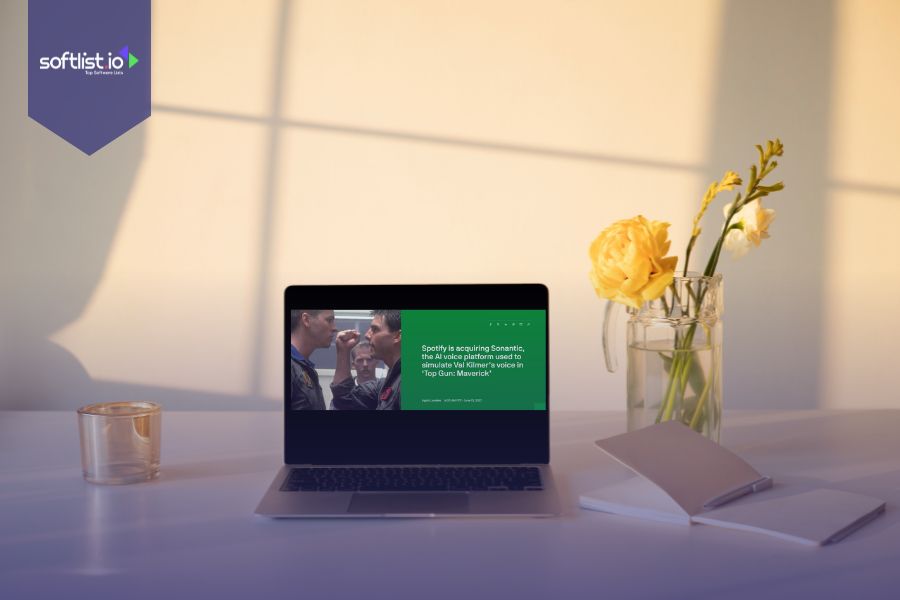
Image source: Canva
Sonantic gained acclaim for its ability to create nuanced synthetic voices with a high level of emotional depth. Its most well-known achievement came when it recreated Val Kilmer’s voice for “Top Gun: Maverick,” enabling the actor to speak on-screen after losing his voice to throat cancer. This real-world application demonstrated the potential of AI voice tech not only in accessibility but in enhancing narrative experiences in film, gaming, and audio streaming.
Key Capabilities of Sonantic’s AI Platform
At the core of Sonantic’s innovation is a suite of capabilities designed to produce expressive, high-quality synthetic voices that can adapt to diverse content and creative demands.
| Feature | Description |
| Hyper-Realistic Speech | Captures emotional tone, pacing, and natural variation for lifelike audio. |
| Rapid Voice Generation | Voices can be generated from text in seconds with minimal input. |
| Custom Attributes | Users can define voice traits, such as gender, accent, and personality. |
| Voice Licensing for Actors | Allows voice professionals to license their digital clones for royalties. |
More details about Sonantic’s innovations can be found through official Spotify news releases, since the original Sonantic AI website is no longer active after the acquisition.
Why Spotify Acquired Sonantic

Image source: Canva
Spotify’s move is strategic and innovative. With Sonantic’s AI, Spotify aims to:
- Personalize Audio Recommendations: AI voices can guide users through playlists, narrate podcast summaries, or make music suggestions without needing a screen.
- Automate and Enhance Podcast Production: Creators can now produce narration, dialogue, or character voices with unprecedented speed and emotional realism.
- Explore B2B Licensing: Sonantic’s tech opens doors for Spotify to license tools to third-party creators, such as game studios and film producers.
- Strengthen AI Personalization Infrastructure: Spotify can embed voice technology into its personalization engine, making experiences like its AI DJ even more dynamic and interactive.
- Screen‑less personalization: Enabling TTS to provide recommendations and context when users aren’t looking at their devices—helping reduce barriers to engagement.
To highlight the strategic intent behind the acquisition, Spotify’s leadership emphasized its enthusiasm for integrating Sonantic’s technology into the platform:
“We’re really excited about the potential to bring Sonantic’s AI voice technology onto the Spotify platform and create new experiences for our users,” said Ziad Sultan, Spotify’s Vice President of Personalization.
Applications Across Spotify’s Ecosystem
Image source: Canva
With Sonantic’s advanced voice technology now part of Spotify’s toolkit, the platform can unlock a variety of use cases that enhance user engagement, content creation, and global accessibility.
1. Voice-Driven User Interfaces
Sonantic’s capabilities could power new voice assistants or AI DJs that interact with users in personalized, human-sounding ways. Whether you’re working out, cooking, or driving, the AI voice could update you on your favorite artists or deliver news briefs.
2. Narrated Playlists & Content Discovery
Spotify can integrate voice to enrich content discovery by having AI narrate playlist themes, share artist trivia, or provide real-time recommendations. These features could particularly benefit users in non-screen environments or those with visual impairments.
3. Dynamic Podcast Storytelling
With Sonantic, podcast creators could create characters with distinct voices, experiment with narrative styles, and use AI to fill gaps where human voice talent is unavailable. Fictional podcasts, educational content, and branded audio experiences could all benefit.
4. Accessibility Enhancements
Spotify may use AI voices to offer content in different languages, dialects, or vocal styles to users with disabilities or language barriers, enhancing inclusivity. This also aligns with broader corporate social responsibility goals and global expansion.
5. Content Localization and Multilingual Reach
As Spotify grows in international markets, Sonantic’s multilingual voice models can help localize playlists, podcasts, and promotional messages efficiently and affordably.
Industry-Wide Implications

Image source: Canva
The Spotify-Sonantic deal is just the tip of the iceberg. As tech giants race to incorporate voice AI, we’re witnessing the start of a broader shift:
- Mainstream Voice Cloning: Expect more celebrities and voice actors to license their digital twins.
- Low-Barrier Content Creation: More creators will enter audio thanks to tools that reduce the need for recording equipment and studio time.
- AI-Driven Storytelling: Audio books, interactive games, and virtual reality content will increasingly rely on synthetic voices.
- Real-Time Voice Applications: Customer service bots, AI tutors, and navigation systems will become more natural and relatable.
To further underscore Sonantic’s mission and its alignment with Spotify’s vision, the company’s founders shared their thoughts on the emotional depth and potential of voice technology:
“We believe in the power of voice and its ability to foster a deeper connection with listeners around the world,” said Zeena Qureshi and John Flynn, Sonantic Co-Founders.
Spotify Isn’t Alone: The AI Voice Race Heats Up
Image source: Canva
Spotify’s competitors are not far behind in recognizing the transformative potential of AI-generated voice technology. Major players like Apple, Amazon, and Google have also made significant investments in voice AI to strengthen their respective ecosystems and enhance user experiences.
- Apple is actively refining Siri, working to make it more contextually aware, emotionally intelligent, and seamlessly integrated with services like Apple Music and Apple Podcasts. The company is exploring neural voice synthesis for more natural-sounding results across devices.
- Amazon continues to advance its Alexa ecosystem with natural speech capabilities and emotional expression. Additionally, AWS’s Polly service offers developers scalable AI voice tools for enterprise and media use.
- Google is innovating through WaveNet, a deep generative model that powers Google Assistant and various services, including Maps and YouTube. Google focuses on multilingual accuracy and tonal realism, aiming to improve everything from smart home devices to business communications.
These tech giants aim to embed voice AI deeply into their platforms to:
- Enhance personalization through smarter voice interactions.
- Support real-time, voice-first experiences for users across various devices.
- Expand global reach with flexible, language-agnostic AI capabilities.
Where the Competition Stands Out
The competitive edge now lies in:
- Emotional Intelligence: Delivering speech that resonates with a natural tone, mood, and human relatability.
- Multilingual Versatility: Providing inclusive and localized voice experiences across diverse user bases.
- Scalability: Ensuring consistent, enterprise-grade integration across apps, operating systems, and smart devices.
As demand for audio-first platforms grows, voice AI could become as essential as recommendation engines and user interface design. The Technology Magazine reports that we’re on the cusp of a “Voice 2.0” era, where user experience is shaped by how naturally machines can speak and listen.
Sonantic Now on Spotify: Alternatives to Try
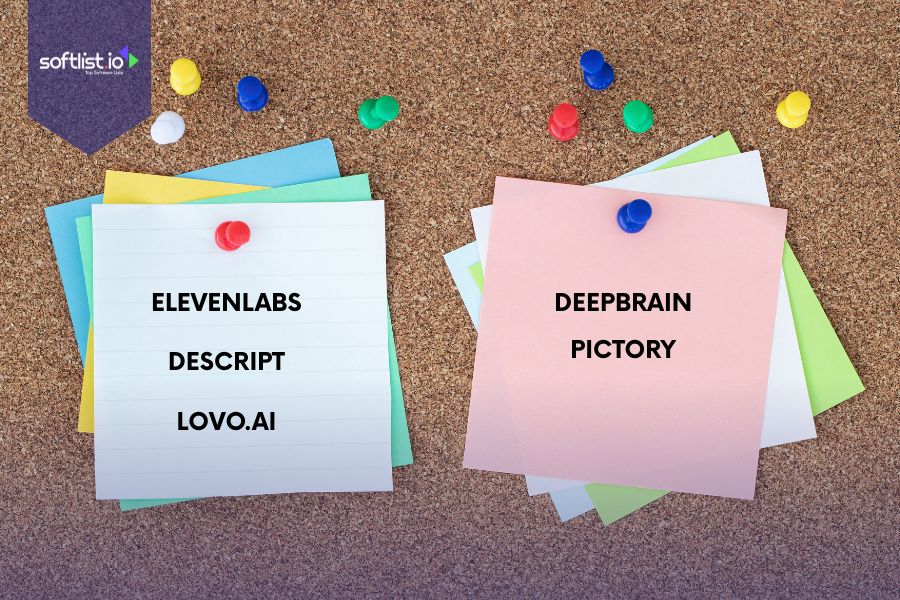
Image source: Canva
With Sonantic no longer available as a standalone product, creators may be looking for powerful alternatives. Depending on your needs—voice cloning, emotional realism, or AI video narration—these platforms stand out:
Voice Cloning & Emotionally Rich Speech
For creators and developers looking for high-quality synthetic voices with emotional depth and human-like realism, several alternative platforms offer standout capabilities in voice cloning and AI speech synthesis.
| Platform | Best For | Unique Feature |
| ElevenLabs | Hyper-realistic voice cloning | Ultra-natural prosody and multilingual support |
| Descript | Podcast and video editing with voice cloning | Overdub feature lets you edit voice like text |
| Lovo.ai | Marketing and training videos with voiceovers | Voice library with 500+ emotional styles |

|

|
|
|
Primary Rating:
3.5
|
Primary Rating:
3.5
|
Primary Rating:
3.5
|

AI Video + Synthetic Voice Integration
If your focus extends beyond audio to include visual storytelling, several AI platforms combine synthetic voice capabilities with automated video generation, ideal for content marketing, training, and social media.
| Platform | Best For | Unique Capability |
| DeepBrain | Video production with lifelike avatars | Text-to-video with expressive digital presenters |
| Pictory | Script-to-video for content marketing | AI voiceover with auto-generated visuals |
What This Means for Content Creators

Image source: Canva
The merging of Sonantic with Spotify, and the rise of powerful voice AI platforms open up massive opportunities:
- Faster Turnaround: AI eliminates the need for time-consuming voice actor scheduling.
- Lower Production Costs: No studio time or hardware needed.
- Creative Flexibility: Mix and match voices, personalities, and tones.
- Global Reach: Deliver multilingual content using the same voice model.
- Custom Branding: Establish a unique voice identity for your product, service, or character.
For creators in podcasting, e-learning, marketing, or even indie film, these tools can democratize audio storytelling.
Conclusion
Spotify’s acquisition of Sonantic marks a pivotal moment in the evolution of voice AI, unlocking creative possibilities through emotionally rich, hyper-realistic speech synthesis. While Sonantic now operates exclusively within Spotify’s ecosystem, alternative platforms like ElevenLabs, Descript, and DeepBrain continue to drive innovation across the broader market. As voice AI becomes foundational to how we engage with audio, Spotify is setting the pace for the future of personalized and intelligent sound experiences.
Discover exclusive deals and promotions on cutting-edge voice and video AI platforms—only on Softlist.io. Browse 37 best AI voice generators to find the right tool for your needs. Start leveling up your creative workflow with trusted software reviews, comparisons, and discounts—all in one place.
FAQs
How Does AI Help Spotify?
AI helps Spotify by enhancing personalization, automating content creation, and enabling voice-driven user experiences. With Sonantic Spotify integration, Spotify can deliver narrated playlists, dynamic podcast storytelling, and real-time audio recommendations that adapt to user behavior and preferences.
What Is the AI That Makes Your Voice Sound Better?
Sonantic is the Sonantic AI voice platform acquired by Spotify, known for improving voice quality by generating hyper-realistic, emotionally rich synthetic voices. It captures natural inflections, tone, and pacing, making voiceovers sound more human and engaging, perfect for podcasts, narration, and voice interfaces, thanks to the advanced Sonantic AI voice generator.
How Much Did Spotify Pay for Sonantic?
As of now, Spotify has not publicly disclosed the exact amount it paid to acquire Sonantic. However, the acquisition is considered a strategic investment to strengthen Spotify’s position in voice technology and audio personalization.
What Is AI Voice Technology?
AI voice technology refers to the use of artificial intelligence to generate, clone, or enhance human-like speech. It involves machine learning models trained to produce natural-sounding audio from text inputs, often with emotional depth, custom accents, and personality traits, like those developed by Sonantic.
What Is the Meaning of Voice Technology?
Voice technology encompasses tools and systems that enable machines to understand, interpret, and generate spoken language. This includes speech recognition, voice synthesis, and interactive voice interfaces used in applications such as smart assistants, podcasts, and accessibility tools.