

Starting an e-commerce business in 2025 presents tremendous opportunities, with global online sales projected to reach $7.5 trillion and 2.77 billion people shopping digitally worldwide. The landscape has evolved dramatically, offering entrepreneurs countless ways to build profitable online ventures. Success requires strategic planning, the right tools, and understanding of modern consumer behavior.
Key Takeaways
- Choose a profitable niche by analyzing market demand, competition levels, and your expertise areas.
- Select the right e-commerce platform based on your budget, technical skills, and business requirements.
- Focus on mobile optimization since most online shopping happens on mobile devices.
- Implement comprehensive SEO strategies to drive organic traffic and reduce customer acquisition costs.
- Track key performance indicators like conversion rates, customer lifetime value, and return on ad spend.
The foundation of any successful e-commerce venture starts with understanding your market and choosing the right approach.
Understanding E-commerce Business Models
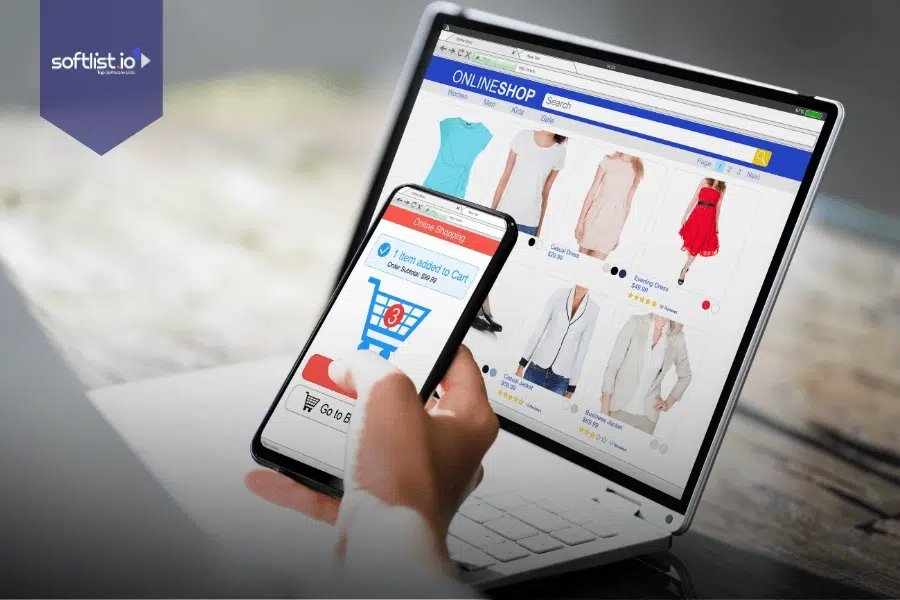
E-commerce encompasses various business models that connect sellers with buyers through digital platforms. The four primary types include Business-to-Consumer (B2C), Business-to-Business (B2B), Consumer-to-Consumer (C2C), and Consumer-to-Business (C2B). Each model serves different market needs and requires distinct strategies for success.
B2C represents the most common e-commerce business examples, where companies sell directly to individual consumers through online stores. Amazon dominates this space, but countless smaller businesses thrive by focusing on specific niches or local markets.
Popular E-commerce Business Models
- Dropshipping: Sell products without holding inventory, with suppliers handling fulfillment
- Private Label: Create branded versions of existing products manufactured by third parties
- Subscription Boxes: Deliver curated products to customers on recurring schedules
- Digital Products: Sell downloadable items like courses, software, or templates
- Print-on-Demand: Customize products only after customers place orders
- Wholesale: Purchase products in bulk and sell them at retail prices
Exploring different e-commerce business ideas helps you identify which model aligns with your resources, skills, and market opportunities.
Choosing Your Niche and Products
Successful e-commerce businesses solve specific problems for defined customer groups rather than trying to serve everyone. Research market demand using tools like Google Trends, Amazon Best Sellers, and social media listening platforms. Analyze competitor pricing, customer reviews, and marketing strategies to identify gaps you can fill.
Consider your personal interests, expertise, and available resources when evaluating potential niches. Passion for your products makes marketing more authentic and sustainable long-term.
Niche Research Strategies
- Analyze trending products on social media platforms like TikTok and Instagram
- Study Amazon’s “Movers and Shakers” section for emerging product categories
- Use keyword research tools to identify search volume and competition levels
- Join Facebook groups and Reddit communities in potential niches
- Survey potential customers about their pain points and shopping preferences
- Evaluate profit margins and shipping considerations for physical products
| Niche Factor | High Potential | Medium Potential | Low Potential |
|---|---|---|---|
| Market Size | Growing rapidly | Stable demand | Declining interest |
| Competition | Few dominant players | Moderate competition | Highly saturated |
| Profit Margins | 40%+ markup possible | 20-40% markup | Less than 20% |
| Customer Loyalty | High repeat purchase | Occasional repeat | One-time purchases |
| Marketing Costs | Low acquisition costs | Moderate costs | High competition |
Building a comprehensive e-commerce business list of potential products helps you make informed decisions based on data rather than assumptions.
Selecting the Right E-commerce Platform

Your e-commerce business website serves as the foundation for all customer interactions and sales processes. Popular platforms include Shopify, WooCommerce, BigCommerce, and Magento, each offering different features, pricing structures, and customization options. Consider your technical expertise, budget, and growth plans when making this critical decision.
Shopify dominates the market for beginners due to its user-friendly interface and comprehensive app ecosystem. WooCommerce offers more customization for WordPress users willing to handle technical aspects.
Platform Comparison Factors
- Ease of Use: How quickly can you set up and manage your store
- Customization Options: Ability to modify design and functionality
- Transaction Fees: Percentage charged per sale beyond payment processing
- App Ecosystem: Available third-party integrations and extensions
- SEO Capabilities: Built-in optimization features and flexibility
- Mobile Responsiveness: How well stores perform on mobile devices
- Customer Support: Quality and availability of technical assistance
- Scalability: Platform’s ability to handle business growth
Many entrepreneurs start with hosted solutions like Shopify before migrating to self-hosted platforms as their businesses grow and require more customization.
Building Your Online Store
Creating an effective e-commerce business website requires balancing visual appeal with functionality and user experience. Focus on clear navigation, high-quality product images, and streamlined checkout processes that minimize cart abandonment. Mobile optimization is crucial since most online shopping occurs on smartphones and tablets.
Professional design builds trust and credibility with potential customers who cannot physically examine products before purchasing.
Essential Store Elements
- Clear value proposition on the homepage
- Intuitive product categorization and search functionality
- Detailed product descriptions with multiple high-resolution images
- Customer reviews and ratings for social proof
- Secure payment options and trust badges
- Comprehensive shipping and return policies
- Contact information and customer service options
- FAQ section addressing common concerns
User Experience Optimization
Page Load Speed
Optimize images, minimize plugins, and choose reliable hosting to ensure pages load within three seconds. Slow websites lose customers and rank poorly in search results.
Checkout Process
Reduce checkout steps, offer guest purchasing options, and provide multiple payment methods including digital wallets like PayPal and Apple Pay.
Testing different layouts, colors, and calls-to-action helps identify what resonates best with your target audience.
Legal and Business Setup
Establishing proper business structure protects personal assets and provides tax advantages for your e-commerce venture. Choose between sole proprietorship, LLC, or corporation based on your situation and growth plans. Register for necessary licenses, permits, and tax identification numbers required in your jurisdiction.
Consult with attorneys and accountants to ensure compliance with local, state, and federal regulations affecting online businesses.
- Business registration and licensing requirements
- Sales tax collection and remittance obligations
- Product liability insurance for physical goods
- Terms of service and privacy policy creation
- Intellectual property protection for brands and products
- Import/export regulations for international sales
- Consumer protection law compliance
- Data protection and privacy regulations like GDPR
Proper legal foundation prevents costly issues as your business scales and enters new markets or product categories.
Inventory and Supply Chain Management

Effective inventory management balances having sufficient stock to meet demand while minimizing storage costs and obsolete inventory risks. Implement inventory tracking systems that provide real-time visibility into stock levels, sales velocity, and reorder points. Consider seasonal fluctuations, lead times, and cash flow requirements when planning purchases.
Building relationships with reliable suppliers ensures consistent product quality and delivery schedules that meet customer expectations.
Inventory Strategies
- Just-in-Time: Order products close to when you expect to sell them
- Safety Stock: Maintain buffer inventory for unexpected demand spikes
- ABC Analysis: Prioritize inventory investment based on product profitability
- Seasonal Planning: Adjust stock levels based on predictable demand patterns
- Supplier Diversification: Work with multiple suppliers to reduce risk
| Inventory Method | Best For | Pros | Cons |
|---|---|---|---|
| Dropshipping | New businesses | Low startup costs, no inventory risk | Lower margins, less control |
| Bulk Purchasing | Established stores | Better margins, inventory control | Higher upfront investment |
| Print-on-Demand | Custom products | No inventory, unlimited designs | Limited product types |
| Consignment | Unique items | No upfront costs | Limited supplier options |
Many successful e-commerce businesses start with dropshipping or print-on-demand models before transitioning to inventory ownership as sales volumes justify the investment.
Marketing and Customer Acquisition
Driving traffic and converting visitors into customers requires multi-channel marketing strategies that reach potential buyers where they spend time online. Combine organic methods like SEO and content marketing with paid advertising on platforms like Google, Facebook, and Instagram. Email marketing remains one of the highest ROI channels for e-commerce businesses.
Focus on understanding your customer journey and creating touchpoints that guide prospects from awareness to purchase and repeat buying.
Digital Marketing Channels
- Search Engine Optimization: Optimize for product and category keywords
- Pay-Per-Click Advertising: Google Ads and shopping campaigns
- Social Media Marketing: Organic content and paid social advertising
- Email Marketing: Welcome sequences, abandoned cart recovery, and newsletters
- Influencer Partnerships: Collaborate with relevant content creators
- Affiliate Marketing: Partner with other businesses for referral sales
- Content Marketing: Blogs, videos, and guides that attract organic traffic
- Retargeting Campaigns: Re-engage visitors who didn’t complete purchases
Customer Retention Strategies
- Loyalty programs that reward repeat purchases
- Personalized product recommendations based on purchase history
- Exceptional customer service that exceeds expectations
- Post-purchase follow-up emails and satisfaction surveys
- Exclusive offers for existing customers
- Community building through social media groups or forums
Acquiring new customers costs significantly more than retaining existing ones, making customer lifetime value optimization crucial for profitability.
Analytics and Performance Tracking
Data-driven decision making separates successful e-commerce businesses from those that struggle to grow profitably. Implement comprehensive tracking using Google Analytics, platform-specific analytics, and specialized e-commerce tools that monitor key performance indicators. Regular analysis helps identify trends, opportunities, and problems before they significantly impact revenue.
Focus on metrics that directly relate to business objectives rather than vanity metrics that look impressive but don’t drive profitability.
- Conversion Rate: Percentage of visitors who make purchases
- Average Order Value: Mean purchase amount per transaction
- Customer Acquisition Cost: Total marketing spend divided by new customers
- Customer Lifetime Value: Predicted revenue from customer relationships
- Return on Ad Spend: Revenue generated per dollar spent on advertising
- Cart Abandonment Rate: Percentage of started checkouts not completed
- Traffic Sources: Which channels drive the most valuable visitors
- Product Performance: Best-selling items and profit margins by SKU
Regular reporting and analysis enable quick responses to market changes and optimization opportunities that improve overall business performance.
Scaling and Growth Strategies
Successful e-commerce businesses plan for growth from the beginning by choosing scalable systems, processes, and partnerships. Automation tools help manage increasing order volumes, customer service inquiries, and marketing campaigns without proportional increases in labor costs. Consider expanding product lines, entering new markets, or developing additional sales channels as revenue grows.
Geographic expansion, whether domestic or international, requires understanding new regulations, shipping logistics, and cultural preferences that affect buying decisions.
Growth Opportunities
- Product line extensions within existing categories
- Geographic market expansion to new regions or countries
- Additional sales channels like Amazon, eBay, or wholesale
- Subscription or recurring revenue model development
- Private label product creation for higher margins
- Acquisition of complementary businesses or brands
- Licensing deals for popular products or intellectual property
- Franchise or partnership opportunities with other businesses
Taking an e-commerce business course or working with experienced mentors provides valuable insights for navigating growth challenges and avoiding common pitfalls.
Common Mistakes to Avoid
Learning from others’ experiences helps new e-commerce entrepreneurs avoid costly errors that can derail business success. Many beginners underestimate the importance of market research, leading to poor product selection or targeting the wrong audience. Others focus too heavily on perfecting their website while neglecting marketing and customer acquisition efforts.
Cash flow management challenges often surprise new business owners who don’t account for inventory investment, marketing costs, and seasonal fluctuations in sales volume.
- Choosing products based on personal preferences rather than market demand
- Underestimating total startup costs and ongoing expenses
- Neglecting mobile optimization despite mobile-first shopping trends
- Ignoring customer service quality in favor of cost reduction
- Failing to track and analyze key performance metrics regularly
- Spreading marketing efforts too thin across too many channels
- Setting prices too low to compete rather than emphasizing value
- Not planning for seasonal fluctuations in demand and cash flow
- Overlooking legal requirements and tax obligations
- Expecting immediate results without consistent long-term effort
Many entrepreneurs also struggle with the transition from startup mode to systematic business operations as their companies grow beyond what they can personally manage.
Taking Action on Your E-commerce Journey
Starting an e-commerce business requires careful planning, consistent execution, and continuous learning as markets and technologies evolve. The opportunities are substantial, with global online sales continuing to grow and new tools making it easier than ever to reach customers worldwide. Success comes from understanding your market, choosing the right strategies for your situation, and persistently optimizing based on real performance data.
Begin with thorough market research, select appropriate tools and platforms for your needs, and focus on creating genuine value for your target customers. Remember that building a profitable e-commerce business takes time, but the potential rewards justify the effort and investment required.
Every successful online business started with a few key steps—now it’s your turn to take those steps and bring your profitable ecommerce business ideas to life. While you’re here, read more from our wide array of informative blogs to add your knowledge about e-commerce business and grab the opportunity to get the latest discounts and deals by subscribing!
Frequently Asked Questions
What is the business of e-commerce?
E-commerce business involves selling products or services online through digital platforms, websites, or marketplaces. It encompasses various models from dropshipping to manufacturing, serving consumers or other businesses through electronic transactions and digital marketing.
What are the 4 types of e-commerce?
The four main e-commerce types are Business-to-Consumer (B2C) like Amazon, Business-to-Business (B2B) like wholesale platforms, Consumer-to-Consumer (C2C) like eBay marketplaces, and Consumer-to-Business (C2B) where individuals sell services to companies.
How do I start my e-commerce business?
Start by researching profitable niches, selecting an e-commerce platform, registering your business legally, sourcing products or suppliers, building your website, implementing marketing strategies, and continuously analyzing performance to optimize operations and growth.
Which skill is best for eCommerce?
Digital marketing skills are most valuable for e-commerce success, including SEO, social media advertising, email marketing, and data analysis. Customer service, product photography, and basic web development knowledge also significantly impact business performance and profitability.