
Automation software streamlines repetitive tasks by connecting applications, triggering actions, and executing workflows without human intervention. These tools transform how businesses operate by reducing manual work, minimizing errors, and freeing teams to focus on strategic initiatives. This comprehensive guide explores how automation software functions, its core benefits, and practical tips for selecting the right solution for your organization.
Key Takeaways
- Automation software connects different applications through triggers and actions to create seamless workflows.
- The technology operates on a three-step process: trigger detection, condition evaluation, and action execution.
- Top automation software examples include Zapier, Workato, and Coupler.io for different business scales.
- Choosing the right automation tool depends on integration needs, complexity requirements, and budget constraints.
- Process automation delivers measurable benefits including 40-60% time savings and reduced human error rates.
Let’s dive into the fundamental concepts that make automation software such a powerful business tool.
What Is Automation Software?
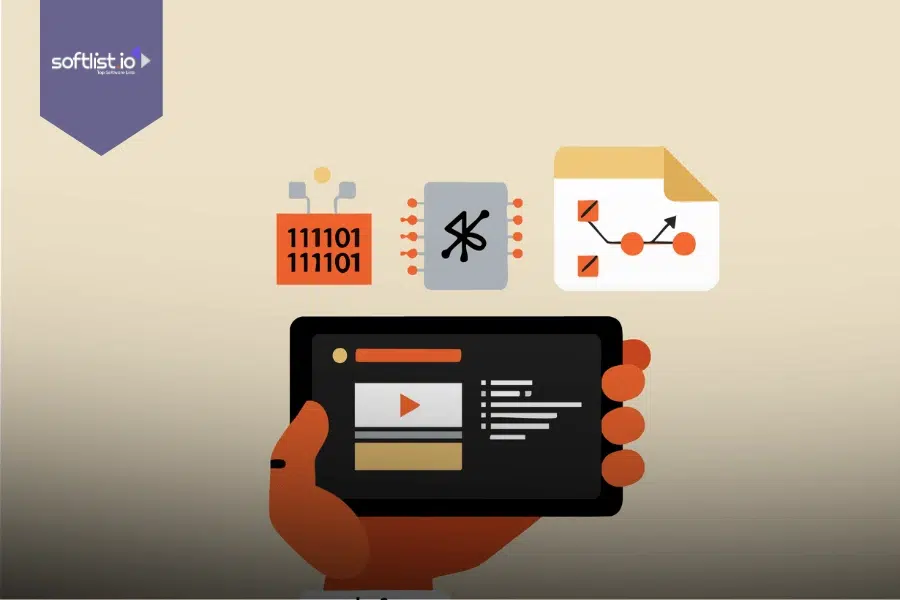
Automation software serves as a digital bridge that connects different applications and systems to perform tasks automatically. These platforms eliminate the need for manual data entry, file transfers, and routine administrative work by creating intelligent workflows. What is automation software at its core? It’s technology that monitors specific conditions and executes predetermined actions when those conditions are met.
Modern automation tools range from simple task schedulers to sophisticated platforms handling complex business processes. Popular automation software examples include Zapier for small businesses, Microsoft Power Automate for enterprise environments, and specialized tools like Workato for advanced integrations.
Types of Automation Software
Different types of automation serve various business functions and complexity levels. Understanding these categories helps organizations choose appropriate solutions for their specific needs.
- Task Automation: Handles simple, repetitive actions like file organization or email responses
- Workflow Automation: Manages multi-step processes involving multiple applications and decision points
- Business Process Automation (BPA): Orchestrates complex organizational workflows spanning departments
- Robotic Process Automation (RPA): Mimics human interactions with software interfaces for legacy system integration
Common Automation Use Cases
Businesses implement automation across various functions to improve efficiency and reduce operational overhead. These real-world applications demonstrate the versatility of automation tools in different industries.
- Customer relationship management and lead nurturing sequences
- Invoice processing and accounts payable workflows
- Social media posting and content distribution
- Data synchronization between sales and marketing platforms
- Employee onboarding and document management processes.
The versatility of these applications shows why automation software has become essential for competitive business operations.
How Automation Software Works
Automation software operates through a three-stage process that transforms manual tasks into automated workflows. The system continuously monitors for specific triggers, evaluates predefined conditions, and executes corresponding actions without human intervention. How does automation work? It relies on event-driven architecture where one application’s output becomes another’s input through seamless integrations.
Most automation platforms use visual workflow builders that allow users to create complex processes without coding knowledge. These interfaces display the logical flow of data and actions, making it easy to understand and modify automated processes as business needs evolve.
Triggers and Events
Triggers serve as the starting point for every automated workflow, detecting specific events or conditions that initiate subsequent actions. These can range from simple time-based schedules to complex data changes across multiple systems.
- Time-based triggers: Execute actions at specific intervals or scheduled times
- Event-based triggers: Respond to changes in connected applications like new form submissions
- Webhook triggers: Receive real-time notifications from external systems
- Manual triggers: Allow users to initiate workflows on-demand
Workflow Logic and Conditions
Between triggers and actions, automation software evaluates conditions to determine the appropriate response. This logic layer ensures workflows execute only when specific criteria are met, preventing unnecessary actions and maintaining data integrity.
- Conditional branching based on data values or user attributes
- Filtering mechanisms to process only relevant information
- Error handling procedures for failed operations
- Retry logic for temporary system unavailability
Key Benefits of Automation Software

Organizations implementing automation software typically experience significant improvements in operational efficiency and cost reduction. Studies show that businesses can achieve 40-60% time savings on routine tasks while reducing human error rates by up to 90%. These measurable benefits translate directly into improved productivity and competitive advantage in fast-paced markets.
Beyond immediate efficiency gains, automation software enables teams to focus on strategic initiatives that drive business growth. The technology handles routine work consistently, allowing employees to engage in creative problem-solving and customer relationship building.
Productivity and Time Savings
Automation software eliminates time-consuming manual processes that often consume hours of employee time daily. Teams report dramatic improvements in task completion speed and overall workflow efficiency after implementing automation solutions.
- Instant data synchronization between multiple platforms
- Automated report generation and distribution
- Streamlined approval processes and notifications
- Reduced context switching between different applications
Improved Accuracy and Consistency
Human error in data entry and process execution can cost businesses thousands of dollars annually. Automation software maintains consistent performance standards and eliminates common mistakes associated with manual work.
- Standardized data formatting across all connected systems
- Elimination of transcription errors in data transfer
- Consistent application of business rules and policies
- Audit trails for compliance and quality assurance
| Benefit Category | Manual Process | Automated Process | Improvement |
|---|---|---|---|
| Time Efficiency | 2-4 hours daily | 15-30 minutes daily | 75-85% reduction |
| Error Rate | 5-10% typical | Less than 1% | 90% improvement |
| Processing Speed | Minutes to hours | Seconds to minutes | 60-90% faster |
| Cost per Task | $5-15 per task | $0.10-1.00 per task | 80-95% savings |
How to Choose the Right Automation Tool
Selecting appropriate automation software requires careful evaluation of your organization’s specific needs, technical requirements, and growth projections. The best automation tools align with existing workflows while providing room for future expansion and increased complexity. Consider factors like integration capabilities, user interface design, and pricing structure when making your decision.
Start by documenting current manual processes and identifying the highest-impact automation opportunities. This assessment helps prioritize features and ensures you choose tools that address your most pressing operational challenges.
Integration Requirements
Successful automation depends on seamless connectivity between your existing software stack and new automation platforms. Evaluate potential tools based on their ability to integrate with your current applications and data sources.
- Native integrations with your core business applications
- API connectivity for custom integrations
- Data format compatibility and transformation capabilities
- Real-time vs. batch processing requirements
Scalability and Complexity
Choose automation software that can grow with your organization and handle increasingly sophisticated workflows. Consider both current needs and future expansion plans when evaluating different platforms.
- User limits and pricing tiers for team growth
- Workflow complexity and conditional logic support
- Performance handling for high-volume operations
- Administrative controls and user management features
Budget and ROI Considerations
Automation software free options provide good starting points for small businesses, while enterprise solutions offer advanced features justified by larger operational scales. Calculate potential time savings and error reduction benefits against subscription costs to determine ROI.
- Free tier limitations and upgrade requirements
- Per-user vs. per-automation pricing models
- Implementation and training costs
- Long-term value based on efficiency gains
| Business Size | Recommended Tools | Key Features | Price Range |
|---|---|---|---|
| Small Business | Zapier, IFTTT | Simple integrations, visual builder | Free – $50/month |
| Medium Business | Microsoft Power Automate, Workato | Advanced logic, enterprise integrations | $15 – $500/month |
| Enterprise | Workato, MuleSoft, Automation Anywhere | Complex workflows, security, compliance | $500 – $5000+/month |
| Developers | n8n, Integromat | Custom code, API management | $20 – $300/month |
Understanding what are automation tools in research helps academic and data-driven organizations find specialized solutions for their unique requirements.
Top Automation Software Platforms
The automation software market offers diverse solutions ranging from beginner-friendly tools to enterprise-grade platforms. Leading providers like Zapier dominate the small business segment with over 6,000 app integrations, while Workato serves enterprise clients with advanced security and scalability features. These top automation software options demonstrate different approaches to workflow automation and target specific user segments.
Each platform brings unique strengths in terms of integration breadth, ease of use, and specialized features for different industries or use cases.
Zapier: The Popular Choice
Zapier stands out as the most widely adopted automation platform, connecting over 6,000 applications through an intuitive visual interface. The platform’s strength lies in its extensive integration library and user-friendly approach to workflow creation, making it accessible to non-technical users while remaining powerful enough for complex automations.
- Free tier with basic automation capabilities
- Extensive app marketplace and pre-built templates
- Multi-step workflows with conditional logic
- Built-in data formatting and transformation tools
Workato: Enterprise-Focused Solution
Workato targets mid-size to enterprise organizations with sophisticated automation needs and strict security requirements. The platform excels in complex integrations and provides enterprise-grade features like advanced error handling and detailed audit logs.
- Advanced security and compliance certifications
- AI-powered automation suggestions and optimization
- Custom connector development capabilities
- Dedicated support and professional services
Microsoft Power Automate: Integrated Ecosystem
Microsoft Power Automate leverages deep integration with Office 365 and Azure services to provide seamless automation within Microsoft-centric environments. The platform offers both cloud-based and desktop automation capabilities.
- Native Office 365 and Microsoft application integration
- Desktop automation for legacy applications
- AI Builder for intelligent document processing
- Governance and administrative controls
Complementary Platforms for Enhanced Automation

While dedicated automation tools handle workflow orchestration, several platforms offer built-in automation features that complement your overall productivity strategy. These solutions combine project management, content creation, and business operations with intelligent automation capabilities to create comprehensive work environments.
ClickUp
ClickUp integrates project management with powerful automation features that streamline task assignments, status updates, and team communications. The platform’s automation capabilities reduce administrative overhead while maintaining project visibility and accountability.
Key Features
- Custom automation templates for recurring project workflows
- Automatic task creation based on form submissions or triggers
- Smart notifications and assignment rules
- Integration with 1000+ external applications
Work smarter as a team with real-time chat. Tag individuals or groups, assign comments for action items, and link tasks to get more done together.


Zoho
Zoho’s comprehensive business suite includes workflow automation across CRM, finance, HR, and marketing functions. The platform’s strength lies in its integrated approach, allowing businesses to automate processes across multiple departments within a single ecosystem.
Key Features
- Cross-application workflow automation within Zoho suite
- Custom function scripting for advanced automation logic
- Approval processes and business rule enforcement
- Real-time analytics and automation performance tracking
A unique and powerful suite of software to run your entire business, brought to you by a company with the long-term vision to transform the way you work.

Alitu
Alitu specializes in podcast production automation, handling audio processing, editing, and publishing workflows automatically. The platform demonstrates how niche automation tools can solve specific industry challenges with targeted features.
Key Features
- Automatic audio enhancement and noise reduction
- Streamlined podcast publishing to multiple platforms
- Template-based episode creation and formatting
- Automated transcription and show note generation
We'll help you refine your plan, make cover art and create that first episode. Then, we'll get it live on Apple Podcasts and Spotify for the world to hear.

HyperWrite
HyperWrite combines AI-powered writing assistance with content automation workflows for marketing teams and content creators. The platform automates research, writing, and editing processes while maintaining brand voice consistency.
Key Features
- AI-driven content generation with brand voice training
- Automated research and fact-checking capabilities
- Content workflow management and approval processes
- Integration with popular content management systems
From marketing copy and research to improving your writing and communication, HyperWrite ensures the highest quality while helping you get more done.

Monday.com
Monday.com provides visual project management with robust automation features that eliminate manual status updates and routine communications. The platform’s automation recipes help teams maintain momentum without constant administrative intervention.
Key Features
- Visual automation builder with drag-and-drop interface
- Time-based and trigger-based automation recipes
- Custom notification rules and team communication automation
- Integration marketplace with popular business applications
Make data-driven decisions, collaborate efficiently, and track progress with software that adapts to your way of working

Final Thoughts
Automation software transforms business operations by eliminating manual work, reducing errors, and freeing teams to focus on strategic initiatives. The technology continues evolving with AI integration and improved user interfaces, making powerful automation accessible to organizations of all sizes. Start by identifying your highest-impact manual processes and explore automation tools that align with your technical requirements and budget constraints.
To gain additional information, you can read more of our other blogs. Our extensive collection of blog entries encompasses a wide array of topics like automation apps, offering a comprehensive and multifaceted source of information that caters to your intellectual curiosity and delivers significant insights.
Frequently Asked Questions
How does automation software work?
Automation software works by monitoring specific triggers or events, evaluating predefined conditions, and executing corresponding actions automatically. The system uses APIs and integrations to connect different applications, allowing data to flow seamlessly between platforms without manual intervention.
What is the basic understanding of automation?
Automation involves using technology to perform tasks that typically require human intervention. The basic concept centers on creating rules and workflows that execute consistently, reducing manual work while improving accuracy and efficiency in business processes.
What is the meaning of automation software?
Automation software refers to applications and platforms designed to execute repetitive tasks, connect different systems, and orchestrate complex workflows without human involvement. These tools range from simple task schedulers to sophisticated business process management systems.
What is your understanding of process automation?
Process automation involves systematically identifying manual workflows and implementing technology solutions to execute those processes automatically. It encompasses mapping current procedures, defining automation rules, and establishing monitoring systems to ensure consistent performance.
What are the 4 types of automation?
The four main types of automation include: Task Automation (simple, single-step actions), Workflow Automation (multi-step processes), Business Process Automation (complex organizational workflows), and Robotic Process Automation (software robots mimicking human interactions with applications).