Customer acquisition costs have skyrocketed while retention rates plummet across industries, leaving businesses scrambling for sustainable growth strategies. Loyalty management software transforms one-time buyers into repeat customers through automated rewards, personalized experiences, and data-driven engagement programs that drive measurable revenue growth.
Key Takeaways
- Loyalty management software automates reward programs and increases customer lifetime value by 25-95% across industries.
- Open source loyalty software like Open Loyalty offers customizable solutions while platforms like Smile.io provide ready-to-use freemium options for small businesses.
- Enterprise platforms including Salesforce Loyalty Management and Talon.One deliver advanced analytics and omnichannel capabilities for complex loyalty programs.
- Integration capabilities with existing CRM, e-commerce, and POS systems determine implementation success and operational efficiency.
- Market-specific features vary significantly between retail, hospitality, travel, SaaS, and B2B loyalty program requirements.
Loyalty management software (LMS) encompasses platforms that create, manage, and optimize customer reward programs through automated point systems, tier structures, and personalized incentives. Retailers, restaurants, hotels, airlines, SaaS companies, and B2B organizations use these tools to increase repeat purchases, reduce churn, and boost customer lifetime value.
The software tracks customer behaviors, calculates rewards, manages redemptions, and provides analytics on program performance. Modern loyalty platforms integrate with existing business systems to create seamless customer experiences across digital and physical touchpoints.
Core Benefits of Loyalty Management Software

Loyalty programs powered by dedicated software deliver quantifiable business results across customer acquisition, retention, and revenue metrics. Studies show loyalty program members spend 12-18% more per transaction and visit businesses 35% more frequently than non-members. The automation capabilities reduce manual program management while providing real-time insights into customer preferences and behaviors.
Revenue growth represents the primary benefit, with successful loyalty programs increasing customer lifetime value by 25-95% depending on industry and implementation quality. Customer data collection improves through program interactions, enabling better segmentation and personalized marketing campaigns that drive higher conversion rates.
- Increased Customer Retention: Loyalty programs reduce churn rates by 5-25% across industries
- Higher Average Order Value: Members typically spend 15-30% more per transaction
- Enhanced Customer Data: Programs capture zero-party data for personalization
- Improved Marketing ROI: Targeted campaigns to loyalty members show 2-3x higher conversion rates
- Competitive Differentiation: Unique reward structures create switching costs for competitors
- Predictable Revenue: Member behavior patterns enable accurate forecasting
Essential Features in Loyalty Management Platforms
Modern loyalty management software requires specific capabilities to deliver effective customer engagement and measurable business results. The best loyalty management software combines flexible reward structures with robust analytics and seamless integrations across existing business systems. These core features determine program success and operational efficiency.
Platform selection depends on matching feature sets to business requirements and technical capabilities. Enterprise organizations need advanced segmentation and API access while small businesses prioritize ease of use and quick deployment.
Reward Structure Management
- Points-based Systems: Flexible earning and burning rules with expiration controls
- Tier Management: Automated status upgrades based on spending or engagement thresholds
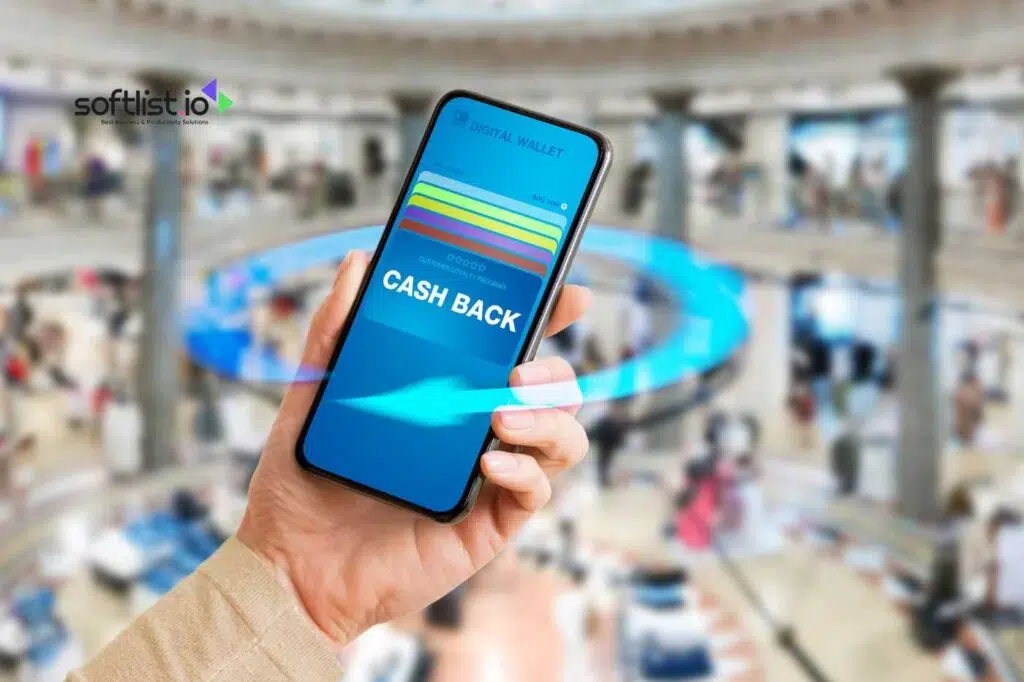
- Cashback Programs: Percentage-based rewards with minimum redemption amounts
- Experiential Rewards: Non-monetary benefits like early access or exclusive events
- Partner Rewards: Coalition loyalty programs with multiple earning opportunities
Customer Engagement Tools
- Personalized Offers: AI-driven recommendations based on purchase history
- Gamification Elements: Challenges, badges, and progress tracking features
- Communication Automation: Email, SMS, and push notification campaigns
- Mobile App Integration: Native mobile experiences with digital wallet support
- Social Sharing: Referral programs and social media integration
Analytics and Reporting
- Member Segmentation: Behavioral and demographic customer grouping
- Program Performance: ROI tracking, redemption rates, and engagement metrics
- Predictive Analytics: Churn prediction and lifetime value modeling
- A/B Testing: Campaign optimization and reward structure testing
- Real-time Dashboards: Live program metrics and member activity monitoring
Buying Criteria and Decision Framework
Selecting loyalty management software requires evaluating technical capabilities against business objectives and operational constraints. The decision framework should prioritize integration requirements, scalability needs, and total cost of ownership over feature lists alone. Successful implementations align software capabilities with customer journey touchpoints and existing technology infrastructure.
Budget considerations extend beyond software licensing to include implementation services, ongoing support, and internal resource requirements. Open source loyalty software reduces licensing costs but increases technical complexity and development time.
| Evaluation Criteria | Small Business Priority | Enterprise Priority | Key Questions |
|---|---|---|---|
| Integration Capabilities | E-commerce platform compatibility | API flexibility and data synchronization | Does it connect to existing POS, CRM, and marketing tools? |
| Scalability | Member growth accommodation | Global deployment and performance | Can it handle projected member volumes and transaction loads? |
| Customization | Brand alignment and basic rules | Complex workflows and business logic | How flexible are reward structures and program rules? |
| Analytics | Basic reporting and insights | Advanced segmentation and predictive modeling | What depth of customer analytics and program metrics are available? |
| Support | Self-service resources and email support | Dedicated account management and SLAs | What level of ongoing support and training is provided? |
| Compliance | Basic data protection | Industry-specific regulations and auditing | Does it meet required privacy and security standards? |
Implementation Readiness Checklist
- Technical Requirements: API documentation, integration complexity, and developer resources
- Data Migration: Customer data export capabilities and historical transaction import
- Staff Training: Platform complexity and required skill development
- Budget Allocation: Software costs, implementation services, and ongoing maintenance
- Timeline Constraints: Launch deadlines and seasonal considerations
- Success Metrics: KPI definitions and measurement frameworks
Industry-Specific Loyalty Solutions
Different industries require specialized loyalty program features and workflows to address unique customer behaviors and business models. Retail loyalty programs focus on purchase frequency and basket size while SaaS companies prioritize usage engagement and subscription renewals. Understanding industry-specific requirements guides platform selection and program design decisions.
Successful loyalty programs align reward structures with natural customer behaviors and business objectives within each industry vertical. The following sections explore key requirements and success metrics for major industry segments.
Retail and E-commerce Loyalty Programs
Retail loyalty programs drive repeat purchases through points-based rewards, tier benefits, and personalized product recommendations. Key workflows include purchase tracking, inventory-based rewards, and seasonal campaign management. Integration with e-commerce platforms, POS systems, and email marketing tools enables omnichannel customer experiences.
Success metrics focus on purchase frequency, average order value, and customer lifetime value improvements. Programs typically show 15-25% increases in repeat purchase rates within six months of launch.
Case Study Examples
Fashion Retailer: A mid-size clothing brand implemented Smile.io loyalty program software for small business operations, resulting in 22% higher repeat purchase rates and 18% increase in average order value within eight months. The program featured points for purchases, reviews, and social media engagement.
Specialty Food Store: An organic grocery chain used LoyaltyLion to create tier-based rewards with early access to new products and exclusive discounts, achieving 35% improvement in customer retention and 28% growth in member spending compared to non-members.
Food and Beverage Industry Solutions
Restaurant and food service loyalty programs emphasize visit frequency and order customization through mobile apps and location-based rewards. Key features include order-ahead functionality, dietary preference tracking, and group ordering capabilities. Integration with POS systems and delivery platforms creates seamless ordering experiences.
Programs typically measure visit frequency, average ticket size, and mobile app adoption rates. Successful implementations show 20-40% increases in visit frequency among active members.
Case Study Examples
Coffee Chain: A regional coffee company deployed Yotpo loyalty management with mobile app integration, achieving 45% of transactions through loyalty members and 30% increase in daily visit frequency. The program offered free drinks, birthday rewards, and surprise bonuses.
Quick Service Restaurant: A burger franchise used Talon.One to create location-specific promotions and family meal rewards, resulting in 25% higher average order values and 40% improvement in customer retention rates across 50 locations.
Travel and Hospitality Programs
Travel loyalty programs manage complex earning structures across flights, hotels, and partner services while handling international regulations and currency conversions. Key workflows include booking integration, status matching, and partner point transfers. Programs require robust fraud detection and compliance capabilities for different jurisdictions.
Success metrics include booking frequency, revenue per customer, and partner engagement rates. Elite tier members typically generate 3-5x higher lifetime value than base tier members.
Case Study Examples
Boutique Hotel Chain: A 25-property hotel group implemented Antavo loyalty platform with experiential rewards like room upgrades and local experiences, achieving 60% direct booking increases and 35% improvement in guest satisfaction scores.
Regional Airline: A domestic carrier used Salesforce loyalty management to create partnerships with hotels and car rentals, resulting in 40% increase in ancillary revenue and 50% growth in program enrollment within 18 months.
Integration Architecture and Data Management
Loyalty management software success depends on seamless integration with existing business systems and proper data flow management across customer touchpoints. Modern platforms provide REST APIs, webhook capabilities, and pre-built connectors for popular business applications. Integration complexity varies from simple e-commerce plugins to enterprise-grade API implementations requiring developer resources.
Data synchronization ensures consistent customer experiences across channels while maintaining program integrity and fraud prevention. Real-time integration enables immediate point crediting and redemption while batch processing handles large transaction volumes efficiently.
Common Integration Points
- E-commerce Platforms: Shopify, WooCommerce, Magento, and BigCommerce connectors
- Point of Sale Systems: Square, Clover, and enterprise POS integration
- Customer Relationship Management: Salesforce, HubSpot, and marketing automation platforms
- Email Marketing: Mailchimp, Klaviyo, and campaign management tools
- Analytics Platforms: Google Analytics, Adobe Analytics, and business intelligence tools
- Mobile Applications: Native iOS and Android SDK integration
Data Privacy and Compliance
Loyalty programs collect extensive customer data requiring compliance with privacy regulations including GDPR, CCPA, and industry-specific requirements. Platforms must provide data encryption, consent management, and audit trails for regulatory compliance. Customer data portability and deletion capabilities ensure compliance with right-to-be-forgotten requirements.
Security features include fraud detection algorithms, suspicious activity monitoring, and secure API authentication. Enterprise platforms offer advanced security certifications and compliance reporting for regulated industries.
Leading Vendor Comparison and Pricing
The loyalty platform providers market includes established enterprise solutions, mid-market platforms, and emerging open source alternatives serving different business segments. Vendor selection requires matching platform capabilities with business requirements, technical resources, and budget constraints. The following comparison highlights key differentiators and pricing approaches across leading platforms.
Pricing models vary from freemium offerings for small businesses to enterprise licensing based on member volumes or transaction values. Implementation costs and ongoing support fees significantly impact total cost of ownership beyond software licensing.
| Platform | Best For | Starting Price | Key Strengths | Integration Level |
|---|---|---|---|---|
| Smile.io | Small to medium e-commerce | Free tier available | Easy setup, Shopify integration | E-commerce focused |
| LoyaltyLion | Growing online retailers | $159/month | Advanced segmentation, A/B testing | Multi-platform |
| Yotpo | Enterprise e-commerce | Custom pricing | Reviews integration, SMS marketing | Comprehensive |
| Salesforce Loyalty Management | Large enterprises | $150/user/month | CRM integration, advanced analytics | Enterprise-grade |
| Talon.One | Complex rule requirements | Custom pricing | Rule engine flexibility, real-time processing | API-first |
| Open Loyalty | Custom development projects | Open source | Full customization, no licensing fees | Developer-required |
| Antavo | Omnichannel brands | Custom pricing | Experiential rewards, gamification | Multi-channel |
Pricing Considerations
- Member Volume Tiers: Most platforms charge based on active member counts
- Transaction Fees: Some providers charge per redemption or points issued
- Implementation Services: Setup and customization costs range from $5,000-$100,000+
- Integration Development: Custom API work adds $10,000-$50,000 to project costs
- Ongoing Support: Premium support packages cost 15-25% of annual licensing fees
Implementation Roadmap and Risk Management
Loyalty program implementation requires careful planning across technical integration, program design, and launch strategy phases. Successful deployments follow structured approaches that minimize business disruption while ensuring program effectiveness from day one. The implementation timeline typically spans 3-6 months depending on platform complexity and integration requirements.
Risk mitigation focuses on data migration accuracy, integration testing, and staff training completion before program launch. Phased rollouts reduce implementation risks while providing opportunities for program optimization based on early member feedback.
Implementation Phases
- Planning and Design (4-6 weeks): Program structure definition, technical requirements, and success metrics
- Platform Setup (2-4 weeks): Software configuration, branding customization, and rule implementation
- Integration Development (4-8 weeks): API connections, data synchronization, and testing procedures
- Testing and Training (2-3 weeks): User acceptance testing, staff training, and documentation creation
- Launch and Optimization (ongoing): Member enrollment, performance monitoring, and program refinement
Common Implementation Risks
- Data Migration Issues: Customer data inconsistencies and historical transaction imports
- Integration Failures: API connection problems and real-time synchronization delays
- Staff Training Gaps: Inadequate platform knowledge and customer support preparation
- Program Complexity: Overly complicated rules confusing customers and staff
- Budget Overruns: Unexpected customization costs and extended timelines
- Low Adoption Rates: Poor program communication and insufficient member benefits
Performance Measurement and Optimization
Loyalty program success requires continuous monitoring of key performance indicators and regular optimization based on member behavior data. Measurement frameworks should track both program-specific metrics and broader business impact including revenue attribution and customer lifetime value improvements. Analytics capabilities within loyalty management software provide insights for program refinement and strategic decision-making.
Optimization strategies focus on reward structure adjustments, communication improvements, and personalization enhancements based on member engagement patterns. Regular A/B testing of program elements ensures continuous improvement and maximum return on investment.
Key Performance Indicators
- Program Metrics: Member enrollment rates, active participation, and redemption frequency
- Financial Impact: Revenue per member, program ROI, and incremental sales attribution
- Customer Behavior: Purchase frequency changes, average order value improvements, and retention rates
- Engagement Quality: Email open rates, mobile app usage, and social media participation
- Operational Efficiency: Program administration costs and customer service impact
Optimization Strategies
- Reward Structure Testing: A/B test different earning rates and redemption thresholds
- Communication Timing: Optimize email frequency and promotional cadence
- Personalization Improvements: Enhance offer relevance based on purchase history
- Tier Benefit Adjustments: Modify status requirements and exclusive benefits
- Partner Program Expansion: Add earning opportunities through strategic partnerships
Supplementary Platforms for Enhanced Loyalty Management

While dedicated loyalty management software forms the core of customer retention programs, several complementary platforms can enhance program effectiveness and operational efficiency. These tools integrate with loyalty platforms to provide additional capabilities in project management, customer relationship management, and process automation that support loyalty program success.
The following platforms offer valuable functionality that complements loyalty management software implementations and ongoing program operations.
ClickUp
ClickUp serves as a comprehensive project management platform that helps teams coordinate loyalty program launches, track implementation milestones, and manage ongoing program optimization tasks. The platform’s workflow automation and team collaboration features streamline loyalty program operations across marketing, customer service, and technical teams.
Key Features
- Project templates for loyalty program implementation phases
- Task automation for campaign management and member communication
- Custom dashboards for tracking program performance metrics
- Team collaboration tools for cross-functional loyalty program management
- Integration capabilities with marketing and analytics platforms
Work smarter as a team with real-time chat. Tag individuals or groups, assign comments for action items, and link tasks to get more done together.

Zoho
Zoho’s integrated business suite provides CRM, marketing automation, and customer support tools that enhance loyalty program member management and engagement. The platform’s customer data management capabilities complement loyalty software by providing comprehensive customer profiles and communication history across all touchpoints.
Key Features
- CRM integration for comprehensive customer lifecycle management
- Marketing automation workflows for loyalty program communications
- Customer support ticketing for loyalty program inquiries
- Analytics and reporting across customer touchpoints
- Email marketing campaigns targeted to loyalty program segments
A unique and powerful suite of software to run your entire business, brought to you by a company with the long-term vision to transform the way you work.
Process Street
Process Street offers workflow management and process automation that standardizes loyalty program operations and ensures consistent member experiences. The platform helps teams create repeatable processes for member onboarding, tier upgrades, and program administration while maintaining quality control across all loyalty program touchpoints.
Key Features
- Standardized workflows for loyalty program member onboarding
- Automated checklists for program launch and optimization tasks
- Quality control processes for member service consistency
- Integration capabilities with loyalty platforms and CRM systems
- Reporting and analytics on process completion and efficiency
Process Street is a user-friendly, no-code platform that helps teams efficiently manage recurring tasks, streamlining workflows and improving productivity without the need for technical skills.

Final Thoughts
Understanding and using loyalty management software can be tough, but it’s essential for keeping customers loyal in different markets. By finding the right features and customizing the software to fit your needs, you can greatly improve customer satisfaction and retention.
For more tips on managing customer relationships, read our articles on Customer Relationship Management.
Also, check out our review of the Top 10 AI Chatbot Tools for insights on using AI to boost your customer service.
Find special discounts just for your business on our Deals page. Also, check out our Top Product Reviews page to see our picks for the 10 most important things your business needs.
Frequently Asked Questions
What is loyalty management software?
Loyalty management software is a platform that automates customer reward programs through points tracking, tier management, and personalized incentives to increase customer retention and lifetime value.
What is loyalty in software?
Loyalty in software refers to customer retention features and programs built into applications to encourage continued usage, subscription renewals, and deeper product engagement through rewards and recognition systems.
Is CRM a loyalty program?
CRM is not a loyalty program but rather a customer relationship management system that can integrate with loyalty program software to provide comprehensive customer data and communication capabilities for program management.
What are the best loyalty programs?
The best loyalty programs combine valuable rewards with seamless customer experiences, featuring platforms like Smile.io for small businesses, LoyaltyLion for growing retailers, and Salesforce Loyalty Management for enterprises.
What are the 4 C’s of customer loyalty?
The 4 C’s of customer loyalty are Consistency (reliable experiences), Communication